
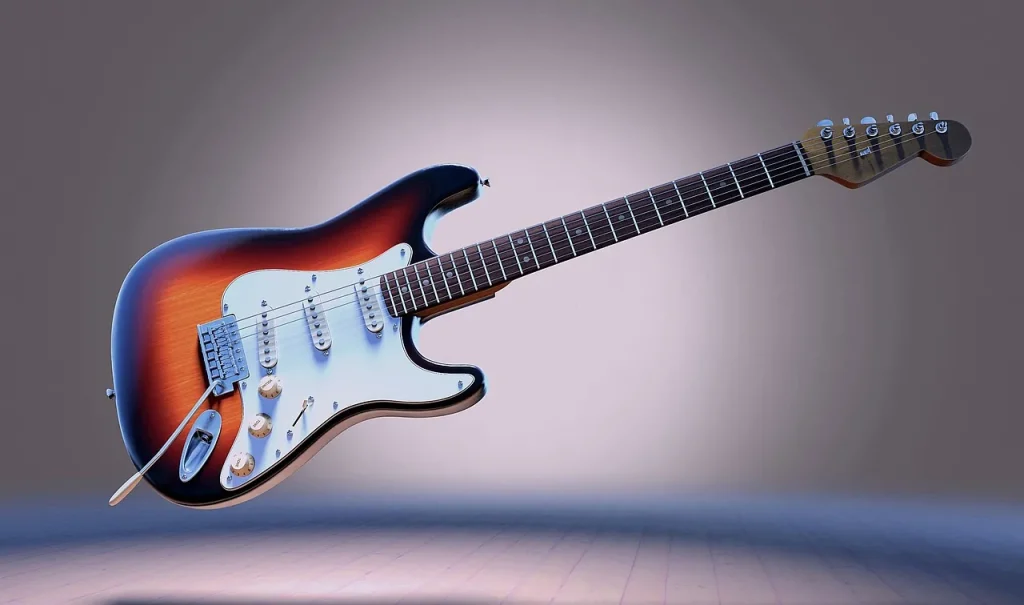
The electric guitar is a versatile instrument suited to many styles of music, including rock, metal, jazz and blues. If you are a beginner interested in the electric guitar, choosing your first guitar carefully is essential. This guide will help you make an informed decision and start your musical journey on a solid footing.
Starting electric guitar can seem intimidating, but with the right information and advice, you can choose a guitar that suits your needs and playing style. Whether you want to play energetic rock or melancholy blues, it is important to find a guitar that inspires you and motivates you to improve.
In this guide, we will look at the factors to consider when choosing your first electric guitar, including body type, wood, neck, hardware and pickups. We will also discuss the importance of your budget and offer useful advice on choosing your instrument. By following this advice, you can find an electric guitar that suits you and begin your musical journey with confidence.
Body types
An electric guitar can have one of three body types: Solid Body, Semi-Hollow Body or Hollow Body. Each body type has distinct sound characteristics and suits different styles of music.
Solid Body
The Solid Body guitar is the most common and versatile type. It is made from a solid block of wood, which gives it stability and resonance. Solid Body guitars are ideal for styles that call for power and heavy distortion, such as rock and metal.
Semi-Hollow Body
A Semi-Hollow Body guitar has a partially hollow body with sound holes that allow air to vibrate inside the instrument. This type of guitar produces a warmer, rounder sound, making it a popular choice for blues and classic rock. Its semi-hollow body also provides natural resonance that adds depth to the sound.
Hollow Body
A Hollow Body guitar, also known as a jazz guitar, has a fully hollow body without a center block, giving it a soft, warm sound. These guitars are often used in jazz and offer strong resonance and prolonged sustain. Because their bodies are hollow, however, they can be prone to feedback at high volumes.
The following table summarizes the main characteristics of electric guitar body types:
| Body type | Advantages | Disadvantages |
|---|---|---|
| Solid Body | Versatility, power and capacity for heavy distortion | Less resonance, brighter sound |
| Semi-Hollow Body | Warm sound, natural resonance | Less power, risk of feedback |
| Hollow Body | Soft sound, strong resonance, prolonged sustain | Risk of feedback, less suited to certain styles |
Choosing the right body type will help you find an electric guitar that matches your playing style and sound preferences. Read on to discover the other important factors to consider when choosing your first electric guitar.
Choosing the wood, neck and hardware
The wood used to make an electric guitar is an important consideration when seeking a particular sound. Different species are used, each with distinct sound characteristics. Mahogany is often favored for its warm, rich sound, while maple is valued for its clarity and brightness. Alder and basswood are also used for their particular tonal qualities. Ash is chosen for its resonance and clarity.
Your choice of neck is equally important because it affects playing comfort. There are different neck profiles, including C, V and U shapes, each with its own feel. Choose a profile that feels comfortable in your hand and lets you play across the frets easily. In addition, hardware such as tuning machines and bridge saddles, as well as the strings, can affect the guitar’s sound and performance. Choosing good-quality hardware is advisable for the best results.
“The choice of wood and neck can make a real difference to an electric guitar’s sound and playing comfort. That is why it is crucial to do your research and try several guitars before buying.”
It is also important to consider features such as a tremolo bridge when choosing an electric guitar. If you are a beginner, however, it is generally best to avoid one because it can make tuning more difficult. Get comfortable with the basics of electric guitar first, then explore more advanced features. Above all, your electric guitar should feel comfortable and let you express your creativity.
Table: Tonal characteristics of different woods
| Wood | Tonal characteristics |
|---|---|
| Mahogany | Warmth, roundness, richness |
| Maple | Clarity, brightness |
| Alder | Tonal balance, resonance |
| Basswood | Lightness, softness |
| Ash | Resonance, clarity |
Pickups
Pickups are essential components of an electric guitar. They detect the strings’ vibrations and convert them into electrical signals, which are then amplified to produce the instrument’s sound. There are two main types of pickups: single-coil and double-coil pickups. Each has distinct sound characteristics and suits different playing styles.
Single-coil pickups generally sound clearer and brighter. They are often used in styles such as jazz, country and pop. Double-coil pickups, also called humbuckers, are more powerful and produce a warmer, fuller sound. They are popular in heavier genres such as rock and metal.
Pickup combinations
Electric guitars also commonly have different combinations of pickups, offering an even wider range of sounds. For example, guitars with an HSS configuration (humbucker, single coil, single coil) have a double-coil pickup at the bridge and single-coil pickups in the middle and neck positions. This versatile setup makes it easy to switch between a powerful sound and a clearer one.
Another common configuration is HSH (humbucker, single coil, humbucker), which combines double-coil pickups in the bridge and neck positions with a single-coil pickup in the middle. This setup is popular with rock and metal guitarists seeking both powerful and crystal-clear sounds.
Pickups can be replaced or modified to achieve a desired sound. For beginners, however, it is best to choose a guitar whose pickup configuration already suits their playing style and sound preferences, avoiding extra costs and technical complications.
| Pickup type | Characteristics | Music styles |
|---|---|---|
| Single-coil pickups | Clear, bright | Jazz, country, pop |
| Double-coil pickups | Powerful, warm | Rock, metal |
| HSS (humbucker, single coil, single coil) | Versatile combination | Wide range of styles |
| HSH (humbucker, single coil, humbucker) | Powerful, crystal-clear combination | Rock, metal |
In conclusion, pickups are a crucial consideration when buying an electric guitar. Single-coil pickups offer a clear, crisp sound, while double-coil pickups are more powerful and warmer. Pickup combinations such as HSS and HSH provide still more sound options. Choosing a configuration that suits your playing style and sound preferences will help you get the most out of your instrument.

Scale length
Scale length is a key factor to consider when choosing an electric guitar. The scale length is the distance between the guitar’s nut and bridge. It affects the instrument’s intonation, tone and playing comfort.
A short scale length can make the strings easier to press, making playing more comfortable, especially for beginners. You may not have to press as hard to produce clear notes. However, a short scale length can also reduce sustain and produce a slightly more muted sound.
Conversely, a long scale length tends to provide greater sustain and a brighter sound. This can be particularly useful for solos and more technical passages. However, a long scale length can be more difficult for beginners to play because the strings generally require more pressure to produce clean notes.
Comparing scale lengths
| Guitar type | Scale length | Advantages | Disadvantages |
|---|---|---|---|
| Short-scale guitar | Between 24 and 24.75 inches | Ease of playing, comfort, easier-to-press strings | Slightly reduced sustain, slightly muted sound |
| Standard-scale guitar | Between 24.75 and 25.5 inches | Balance of playing comfort and sustain, versatile sound | No major disadvantages |
| Long-scale guitar | Over 25.5 inches | Greater sustain, bright sound, ideal for solos | More difficult for beginners, more pressure needed on the strings |
Choose a scale length that suits your playing style and sound preferences. If you are a beginner, you may want to start with a shorter scale to make learning easier. If you are an advanced guitarist looking for more sustain and a brighter sound, you might consider a longer scale.
Ultimately, the right scale length depends on your playing ability, comfort and the sound you want. Try guitars with different scale lengths to find the one that suits you best.
Tips for choosing an electric guitar
When choosing your first electric guitar, a few tips can help you make the right decision. Keep these in mind:
1. Set your budget:
Before you begin your search, set a realistic budget. Electric guitar prices vary considerably, so find a balance between the instrument’s quality and what you are willing to spend. Remember that you will also need accessories such as an amplifier, cables and a tuner. Include them in your budget.
2. Try different guitars in a store:
Trying different guitars before making your final choice is essential. Visit a music store and ask to try several models, even if you are a beginner who cannot yet play. You can then hold each guitar, test how comfortable its neck feels and assess its sound.
3. Ask experienced guitarists for advice:
If you know experienced guitarists, ask for their advice. They can make recommendations based on their own experience and help you find a guitar that best suits your needs. They may also advise you on brands and models to avoid.

With these tips, you will be well prepared to choose your first electric guitar. Take your time and do not rush your decision. Once you find the right guitar, you will be ready to begin your musical journey and enjoy learning this exciting instrument.
Conclusion
Choosing your first electric guitar is an important step in your musical journey. By following this beginner’s guide, you can make an informed decision that suits your needs and preferences. First, consider the style of music you want to play, as this will influence the body type and pickups you need.
Next, consider the guitar’s wood, neck and hardware. The wood and the feel of the neck will affect its sound and playing comfort. Keep your budget in mind when buying your first electric guitar, too.
Take time to try different options in a store and ask experienced guitarists for advice. Look closely at the instrument’s finish, and choose a guitar that appeals to you visually and makes you want to play. Considering all these factors will help you make an informed choice and begin your musical journey with your first electric guitar.
FAQ
What are the different electric guitar body types?
The body types for electric guitars are Solid Body, Semi-Hollow Body and Hollow Body.
How should I choose the wood and neck of my electric guitar?
Choose the wood with its effect on the instrument’s sound in mind. Common choices include mahogany, maple, alder, basswood and ash. The neck should feel comfortable and allow easy access to the strings and frets.
What are the different types of electric guitar pickups?
Pickups can be single-coil or double-coil. You can also choose a combination, such as two single-coils (SS), three single-coils (SSS), two humbuckers (HH), or one humbucker and two single-coils (HSS).
What is an electric guitar’s scale length?
Scale length is the distance between the guitar’s nut and bridge. It affects the guitar’s intonation, tone and playing comfort.
What tips can help me choose my first electric guitar?
Set a budget, try different guitars in a store, seek advice from experienced guitarists, and choose a guitar you like the look of and want to play.