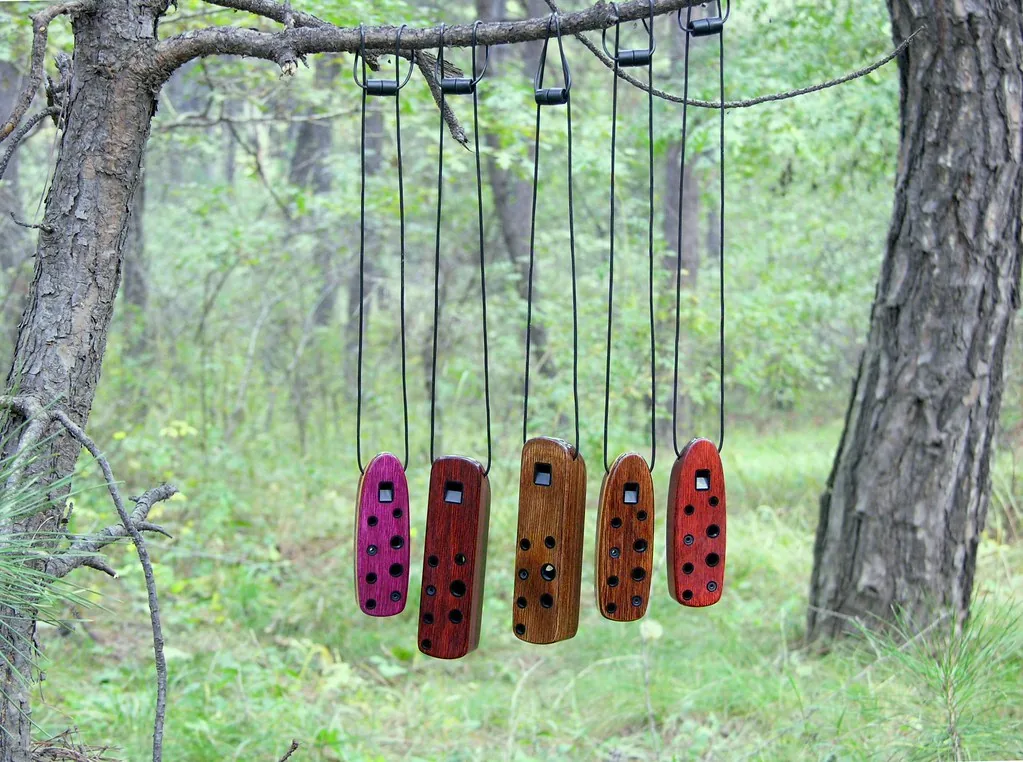
Lost Woods Ocarina Tabs for Beginners

Lost Woods Ocarina Tabs for Beginners

Goal: this guide will teach you to play the iconic Lost Woods melody on an instrument tuned to C, using clear sheet music that builds your skills step by step.

Composed by Koji Kondo for The Legend of Zelda: Ocarina of Time (1997), this theme is ideal for beginners. Its bouncy rhythm helps you practice breath control and fingerings.

This guide covers choosing a simple version in C for a 12-hole ocarina, learning the fingerings gradually, and practicing the rhythm before you play. The approach emphasizes listening and tempo.

Later, you will find other versions of the sheet music, a reference guide to the 1997 release and its platforms, and pointers to help you distinguish this theme from Saria’s Song.

Who is it for? For readers in France with no prior musical knowledge: a tuned instrument and regular practice are all you need. The rewards include a better sense of rhythm, more precise breath control, and a broader repertoire.

Introducing the Lost Woods theme and its context in the game

The Lost Woods theme has become widely known since its release in 1997. It first appeared on the Nintendo 64 in The Legend of Zelda: Ocarina of Time and gained further recognition through its GameCube and 3DS rereleases.

The original piece was composed by Koji Kondo, a key figure in the series’ musical identity. It is built around a lively, syncopated motif that evokes the atmosphere of the area where it plays.

From The Legend of Zelda: Ocarina of Time to today

The melody reappears as a nod to the original in Majora’s Mask, The Wind Waker, and Twilight Princess. These appearances reinforce its status as an icon of video game music.

Title, composer, and theme

It is important to distinguish this theme from Saria’s Song, with which it is often confused. The first is an area theme; the second is a melody learned by the hero.

As a learning piece, this melody works especially well when tackled step by step. Its repeating motifs and clear structure make it easier to practice rhythm and articulation.

Lost Woods ocarina tabs for beginners: a step-by-step guide

To get started, choose a tuned instrument and a clear version of the sheet music. Check that your 12-hole ocarina is tuned to C, and keep your embouchure steady to avoid variations in pitch.

A tranquil forest scene at dusk, the soft glow of the setting sun filtering through the lush canopy of verdant leaves. In the foreground, two young ocarinists, their fingers skillfully dancing across the instruments, playing a haunting melody that echoes through the serene woodland. The middle ground features a winding path leading deeper into the Lost Woods, flanked by towering, ancient trees. In the background, the silhouette of a grand, mystical tree stands tall, its branches reaching skyward, as if guiding the music to the heavens. The atmosphere is one of wonder and enchantment, inviting the viewer to join the ocarinists on their musical journey through this enchanted realm.

Getting ready

Choose the right version: look for sheet music marked “None” for difficulty and designed for a 12-hole ocarina. Among the variants (Rinku, Gaikotsu, Jamon, Khundian, Kiru-oca68, melycat, ocarina, Vanessa), choose the one you find easiest to read.

Your first fingerings

Practice short motifs. Play each transition between fingerings slowly and check your pitch.

Rhythm and tempo

Start with a metronome set below the target tempo. Add the syncopation to capture the groove of the Lost Woods melody.

Listen before you play

Before following the sheet music, watch a video performance and compare it with the original excerpt. This helps you match the phrasing and subtle accents.

Common mistakes and tips

It is common to confuse the theme with the similar song: check the title of the version you choose. Isolate the fast passages, slow the tempo, and adjust your breath to steady the sound.

Focus Action Expected result
Tuning Check the reference notes in C Accurate, stable pitch
Version Choose 12-hole ocarina sheet music marked “None” for difficulty Easier reading
Fingerings Break the piece into short motifs Clean transitions
Rhythm Practice with a metronome The right groove
Community Create an account and leave a comment Feedback and advice
Keep reading  4-Hole Ocarina: First Steps and Songs

Resources, versions, and useful notes on sheet music

Here are some practical pointers to help you choose the sheet music best suited to your skill level and instrument.

Do not confuse “Lost Woods” with “Saria’s Song”

Lost Woods is the title of the area theme; Saria’s Song is another melody. Always check the title before downloading sheet music.

Different versions and skill levels

Several transcriptions are available (Rinku, Gaikotsu, Jamon, Khundian, Kiru-oca68, melycat, ocarina, Vanessa). If you are a beginner, choose a version marked “None” for difficulty.

Quick reference: background and release

Item Detail
Original title Lost Woods
Composer Koji Kondo
Release 1997
Platforms N64, GameCube, 3DS

Where to find sheet music and comments

Organize your sheet music by title and original platform (1997). Try at least two versions to compare pitch accuracy and phrasing.

Most sites require you to sign in before leaving a comment or rating sheet music. Sharing a comment helps the community.

Conclusion

You now have a way to approach the tabs and sheet music for this famous theme.

Listen to the original video and memorize the melody before increasing the tempo. Short daily sessions will strengthen your fingerings and sense of rhythm.

Remember to distinguish it from Saria’s Song so you choose the right version. Try several variants and keep the one that sounds best.

Share your recordings to get advice. Then expand your repertoire with other tunes from the game, and return to the Lost Woods ocarina piece to refine its nuances and pitch.

Motivation: playing this iconic theme makes learning enjoyable and inspires you to keep going.

FAQ

What is the difference between the "Lost Woods" theme and "Saria’s Song"?

The theme often called “Lost Woods” and “Saria’s Song” share melodic motifs, but they serve different purposes in The Legend of Zelda: Ocarina of Time. Saria’s Song is a distinct melody associated with Saria that you play on the ocarina at specific points in the game. The woods theme, used as background music, is lighter and more repetitive. To play it on a 12-hole wooden instrument, adapt the rhythm and key to your chosen version.

Which version should I choose for a 12-hole instrument: N64, GameCube, or 3DS?

Choose according to the key and arrangement you prefer. The original 1997 Nintendo 64 version features Koji Kondo’s basic arrangement. The GameCube and 3DS rereleases sometimes change the instrumentation and tempo. For a 12-hole wooden instrument, look for sheet music transposed into an accessible key (often G or A minor), and use a reference video to establish the tempo.

How do I tune my 12-hole wooden instrument before playing?

Use an electronic tuner or mobile app to check the reference notes produced by each fingering. Control the air pressure and finger placement to improve your pitch. For beginners, playing a simple scale and adjusting your embouchure can help stabilize the pitch. Also check that the instrument has no cracks and that its holes are clean, as their condition can affect its range and pitch.

Which fingerings should I learn first for the main melody?

Start by memorizing the scale used in your chosen version, then practice the two or three sequences that recur most often. Play slowly, working with the left hand and then the right if their fingerings differ, before linking the movements. Use visual cues on the sheet music and repeat each motif until it flows smoothly before increasing the tempo.

How can I capture the theme’s rhythm and "groove"?

Listen to several performances, including game footage and musical arrangements. Keep time with a metronome set to the speed of your reference version, then play the phrases with attention to dynamics. You can create the groove by gently emphasizing the offbeats and accenting certain notes, as in Koji Kondo’s original rendition.

Where can I find reliable sheet music and comments to help me improve?

Visit sites specializing in video game sheet music, forums for musicians who play wooden instruments, and YouTube channels devoted to performing game themes. You will find transposed sheet music, variants for different skill levels, and helpful instructional comments. Check their quality by comparing several sources and reading other musicians’ opinions.

What common mistakes do beginners make, and how can they fix them?

Common mistakes include blowing too hard, holding the instrument incorrectly, and playing too fast. Correct them by playing slowly, watching your posture, and practicing short passages. Record yourself to spot problems, and use a reference video to adjust your pitch and intonation.

Is there sheet music for this theme at different difficulty levels?

Yes. There are simplified versions for learning, intermediate arrangements with added ornamentation and variations, and advanced transcriptions that reproduce the original instrumentation. Choose a version suited to your level and progress at your own pace.

Does the 1997 release date affect the sheet music or its rights?

Koji Kondo composed the original theme during the Nintendo 64 era, in 1997. For personal use (practice and noncommercial performance), sheet music and transcriptions are generally tolerated. For any public or commercial use, or to distribute a recording, check the copyright and licensing terms that apply to video game music.

Which reference video should I use to learn the melody?

Choose clear recordings with a steady tempo and good sound quality. Videos of live performances by specialist musicians or official tracks from remastered versions provide reliable references. Compare several sources to find one that best matches the key of your wooden instrument.

Are there any special tips for playing this theme on a wooden instrument?

Wooden instruments resonate and respond differently from plastic models. Control your air pressure, avoid inhaling too forcefully, and adjust how you start each note. Maintain the instrument regularly (using a light wood oil if recommended) and play in an environment with stable humidity to preserve its tuning.

Leave a Comment

Your email address will not be published. Required fields are marked *