
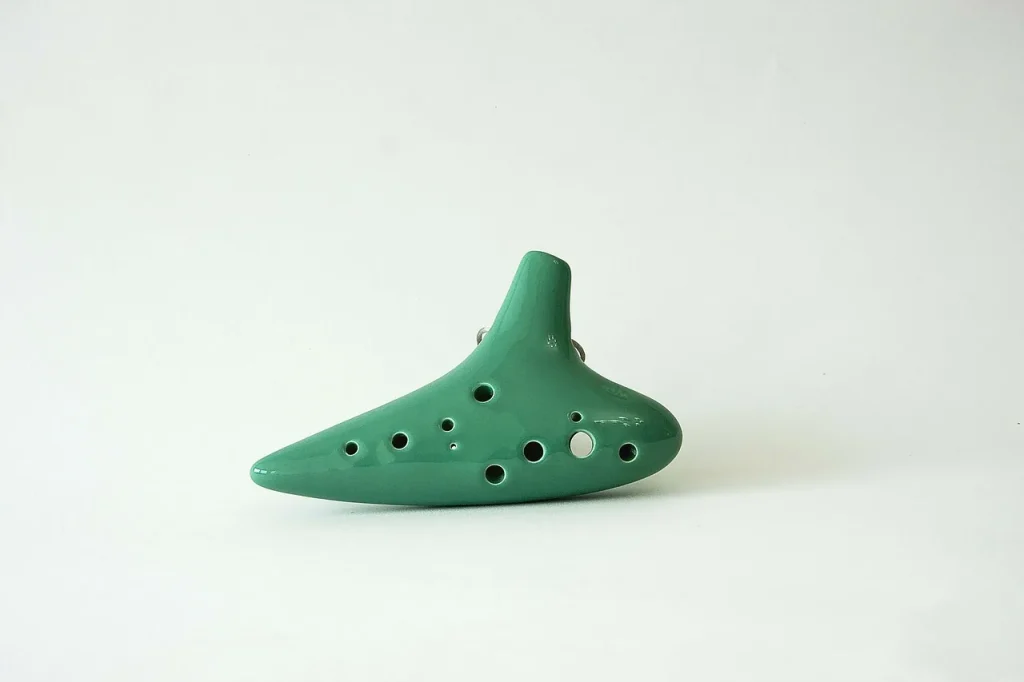
This guide is for beginners who want to discover a simple, joyful instrument. Since 1998, the world of Zelda has made the ocarina famous and continues to inspire interest in its sheet music.
Goal: help you choose short pieces and repetitive melodies so you can progress quickly. A 12-hole alto ocarina in C is recommended for beginners. Whether made of ceramic or plastic, the instrument remains affordable.
Here you will find a clear method: a progressive selection of songs, fingering exercises and practical tips to build confidence in a short time. Regular practice turns curiosity into musical enjoyment.
French-speaking communities share tabs and useful resources. To explore Zelda themes, see this helpful link: sheet music and tutorials. This short guide offers a practice plan for making the instrument part of your daily routine.
Why start with simple ocarina melodies to progress quickly
A limited repertoire helps beginners master their breath and movements. Pieces with a moderate tempo and narrow range steady the rhythm and make it easier to learn the notes without sudden interval leaps.
Benefits for beginners: breath, coordination and accuracy
Practicing short phrases helps you learn diaphragmatic breathing and legato. Holding each note, then moving smoothly between notes, improves breath control and playing fluency.
Among beginners, 68% of wrong notes come from poor finger placement. Simple fingerings reduce mistakes and strengthen accuracy.
What makes a piece “easy”
An easy tune has repeated patterns, few accidentals and regular transitions. With this wind instrument, it is better to work on a gentle, steady airflow than on volume.
- Short routine: spend 10 minutes a day on long notes, legato and small rhythmic patterns.
- Useful techniques: gentle note attacks, short breathing pauses and basic legato.
- Method: start with a slow metronome, then gradually speed up to establish the tempo and make progress over thirty days.
Best easy songs to play on the ocarina
Choosing simple melodies helps you stay motivated while working on intonation and breath control. Start with short, repetitive, memorable themes to learn the fingerings and master your breathing.
Zelda classics
The main theme (C–D–E–G–A) and Zelda’s Lullaby are perfect for your first sessions. Song of Storms lets you practice alternating between low and high notes. Temple of Time can come next on a 12-hole ocarina.

French and traditional songs
The community suggests several very accessible tunes: “La Faute à Voltaire (chorus),” “Santiano,” “La Maritza,” “Et l’on n’y peut rien” and “La rivière.” These pieces help you check your intonation phrase by phrase.
Suggested progression
- Beginner: Zelda’s Lullaby to reinforce your knowledge of the notes.
- Intermediate: Santiano to work on phrasing.
- Advanced: La Maritza to play continuously and work on dynamics.
“A 12-hole ocarina covers most tunes without strain. Pay attention to the side holes.”
To find sheet music or tabs, consult a practical online method or this buying guide for getting started with a 12-hole ocarina.
Step-by-step tutorials and essential techniques for every note and breath
A structured plan helps you coordinate your breath, fingers and rhythm so you can play each note cleanly.
Posture: adopt the “tree” position, with your back straight and shoulders relaxed. It steadies your breathing and makes fingering changes easier.
Breath control and vibrato
Diaphragmatic breathing: breathe in deeply, then blow gently. Try the candle exercise: blow just hard enough to make a flame flicker without putting it out.
For vibrato, use small pulses from the diaphragm, slowly at first and then evenly. This adds expression without affecting intonation.
Reading tabs and sheet music
Decode the tab step by step: match each number to a hole and a note duration. For example, the sequence 4-2-1-2-4 helps you identify Zelda’s Lullaby.
Use MuseScore to transpose a score into the range of your instrument (a 12-hole alto in C) and make dense sheet music easier to read.
Rhythm, intonation and method
Start at 60 BPM with a metronome. Alternate between legato and staccato to improve accuracy.
- Hold long notes while using a tuner, such as the OcarinaTuner app.
- Check the side holes and cover all openings properly.
- Daily mini-scale: slowly play the scale up and down to warm up your breath and fingers.
“Sample session: 5 minutes of breath work, 10 minutes of progressive tabs and 5 minutes of intonation practice with a tuner.”
For guided lessons and practical reference sheets, consult this simple, quick guide.
Choosing your instrument: designs, materials and number of holes
Taking time to compare materials and hole counts can save you months of practice. A good choice sustains your motivation and makes learning the instrument easier.
Ceramic or plastic: tone, durability and budget
Ceramic offers a warm, rich sound but is fragile. It brings out subtle dynamics and suits quiet practice sessions.
Plastic is light, durable and inexpensive. Its tone is less deep, but it stands up to travel and everyday use.

12-hole transverse ocarina (alto in C) or pendant
A 12-hole transverse ocarina covers a broad repertoire and lets you play a variety of music. A pendant ocarina (4 to 6 holes) is very easy to carry and simple for children to use.
| Criterion | Ceramic | Plastic |
|---|---|---|
| Tone | Warm, nuanced | Clear, less deep |
| Durability | Fragile | Very durable |
| Recommended use | Studio, slow and expressive playing | Travel, beginners |
| Example brands | STL | Songbird |
- Buying tip: check the tuning and favor well-reviewed ceramic or plastic models.
- Get a hard case and let the instrument air-dry after each session to protect it.
- If you want to play a wider repertoire, choose a 12-hole alto in C to cover most tunes.
For a complete buying guide, see our selection of ocarinas.
Current resources and a practice plan
A 30-day schedule gives you a simple structure for progressing quickly. Alternate between breath work, reading sheet music and short patterns.
Resources to explore: OcarinaTabs.org (more than 1,000 entries), MuseScore for transposing scores and OcarinaTuner for steadying notes. Join Discord servers to exchange sheet music and tabs.

Structure of a 30-minute session: 5 minutes of breathing, 10 minutes of scales and fingering exercises, 10 minutes on a simple tab and 5 minutes of free playing. Start with a metronome set to 60 BPM.
Example weekly progression: week 1, nursery rhymes; week 2, simple Zelda themes; week 3, accessible French songs; week 4, consolidation and recording.
“Record your sessions: listening back reveals small intonation differences and helps you adjust your breathing.”
- Keep a practice log: pieces studied, BPM and notes on holes and transitions.
- Set clear, measurable goals to progress quickly.
- Prepare a tuner, a set metronome, printed sheet music, water and a 20-to-30-minute practice slot.
Conclusion
, Regular practice, even in short sessions, turns effort into measurable progress.
With ten to thirty minutes a day, you can memorize simple melodies and master the basic notes. After two months, nearly one in two musicians can play three iconic Zelda pieces.
Choose a 12-hole alto in C for a sufficiently wide range. Once your technique is more secure, move to a ceramic model for a richer sound.
Use tabs, a tuner and a metronome to structure your practice. Avoid blowing too hard, neglecting cleaning or forgetting the side holes.
Finally, set a simple goal, such as three melodies in eight weeks, and share your progress in communities and on online tutorial platforms. Exchanging ideas will quickly improve both your accuracy and your enjoyment of playing.