
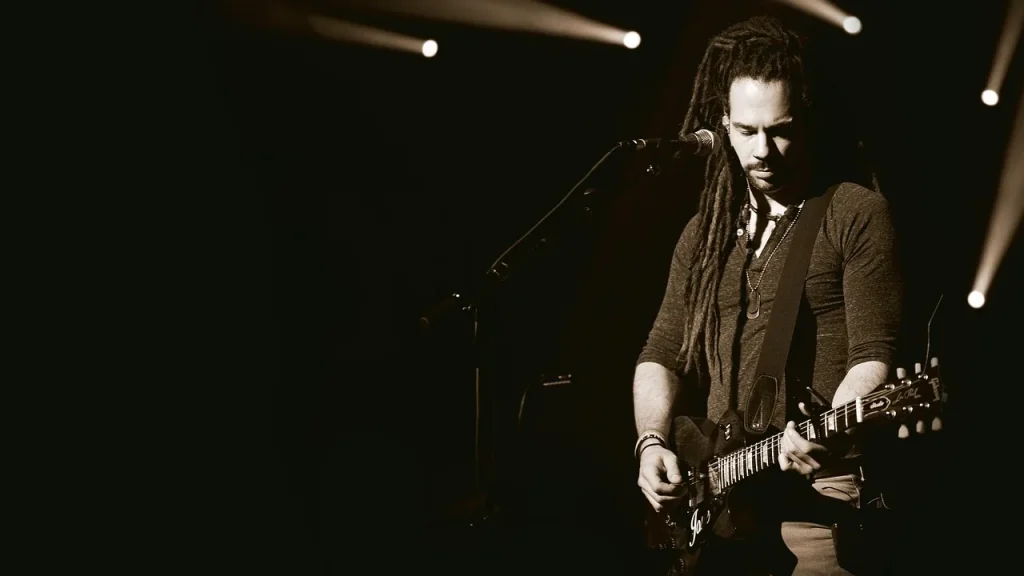
In this article, we explore the influence of cultural icons of the electric guitar in pop culture. The electric guitar has long been a symbol of popular music and pop culture. It has played a major role in the development of different musical genres and inspired generations of musicians and fans around the world.
From Jimi Hendrix to Eric Clapton, many electric guitar legends have left a lasting mark on popular music and influenced artists from every background. Their virtuosity, distinctive styles and stage presence have captivated millions of fans and helped shape the sound of popular music.
This article also examines the impact of the electric guitar on pop culture, highlighting its role in the rise of pop culture icons. We will discover how the electric guitar became a symbol of rock culture and how it continues to inspire musicians and fans worldwide.
Join us in exploring the world of electric guitar cultural icons and discover how they have shaped popular music and pop culture.
The history of popular music
Popular music is a musical genre that emerged in the 1960s in the United Kingdom and the United States. It is characterized by catchy melodies, lively rhythms and lyrics often centered on love and romantic relationships. In France, it went through several phases, including the yéyé movement of the 1960s and lyric-driven French chanson. Popular music draws on different genres, including rock ‘n’ roll, jazz and folk, as well as other influences.
Rock ‘n’ roll played a central role in the evolution of popular music, bringing energy and a rebellious attitude that captivated younger generations. With the emergence of the pop song, popular music reached a wider audience and established itself as a genre in its own right. The pop song enjoyed great success thanks to iconic artists such as the Beatles, the Rolling Stones and Elvis Presley, who helped popularize the genre worldwide.
In France, the yéyé movement left its mark on the history of popular music. This musical and cultural movement featured artists such as Françoise Hardy, Johnny Hallyday and France Gall. Yéyé was known for lively songs and catchy melodies, often performed by young singers. Later, lyric-driven French chanson became popular, emphasizing the words and messages conveyed by songs.
Popular music continues to evolve and reinvent itself over time, adapting to the trends and cultural influences of each era. It remains a pillar of pop culture and plays an important role in forming a collective identity and expressing human emotions.
| Musical genre | Characteristics |
|---|---|
| Rock ‘n’ roll | Lively rhythms, electric guitars, rebellious attitude |
| Pop song | Catchy melodies, lyrics focused on love |
| Yéyé | Lively songs performed by young artists |
| Lyric-driven French chanson | Rich, poetic lyrics and messages conveyed through song |
The impact of popular music on global culture
Popular music has played an important role in shaping national identity and cultural communities in many countries. By encouraging new social connections, it has helped form communities based on shared values and tastes. It has also been influenced by cultural globalization, which has enabled musical styles to spread and gain followers around the world.
The impact of popular music on global culture takes many forms. First, it has helped shape national identity by bringing artists and musical genres to prominence as cultural symbols of their countries. Reggae in Jamaica and samba in Brazil, for example, have helped shape those countries’ national identities.
Popular music has also encouraged the growth of cultural communities around the world. Fans of the same artist or musical genre often come together to share their passion, creating a sense of belonging to a wider community. Popular music can also cross cultural and linguistic boundaries and forge connections between communities worldwide.
Finally, popular music has been influenced by cultural globalization. Technological advances and modern communications allow it to be shared more quickly and easily around the world. This has enabled new hybrid musical genres to emerge and different cultural influences to blend, adding to the diversity and openness of popular culture.
The impact of popular music on global culture
Electric guitar icons in pop culture
Many guitarists have made their mark on the history of popular music as electric guitar icons. Among the electric guitar legends is Jimi Hendrix, widely regarded as one of the greatest guitarists of all time. Eric Clapton, Jimmy Page, Eddie Van Halen and Slash are also electric guitar icons. All have influenced countless musicians and left a lasting mark on popular culture.
Jimi Hendrix revolutionized the use of the electric guitar in pop music with his unique playing style and ability to create innovative sounds. His influence was so great that he is often seen as the embodiment of rock ‘n’ roll and the electric guitar. Hendrix pushed the instrument’s limits through techniques such as playing with his teeth or behind his head, as well as using distortion. His impact on music and popular culture can still be felt today.
The other electric guitar legends mentioned here have also had a profound impact on popular music. Eric Clapton, known for his blues playing and expressive tone, has influenced guitarists for decades. Jimmy Page, Led Zeppelin’s lead guitarist, is known for his intricate playing and memorable riffs. Eddie Van Halen revolutionized hard rock with his fast playing and tapping technique. Slash, an iconic member of Guns N’ Roses, is celebrated for his melodic playing and legendary solos.
These electric guitar icons have left an indelible mark on popular music and become symbols of rock culture. Their influence extends far beyond music: their playing styles and iconic images continue to inspire musicians and captivate fans around the world.
The electric guitar in pop culture
The electric guitar holds a central place in popular culture, especially in pop music. It is often associated with cultural icons and has become a symbol of rock culture. It is used across many musical genres, from rock and blues to pop and metal. Its distinctive sound and ability to create catchy melodies make it an emblematic instrument of popular music.
The cultural icons of the electric guitar have played an essential role in the history of popular music. Legends such as Jimi Hendrix, Eric Clapton, Jimmy Page and Slash have impressed generations of fans with their virtuosity and unique styles. Their influence reaches beyond music and has shaped society and global culture. They have inspired many musicians and continue to captivate fans worldwide.
The electric guitar has also helped define the sound of popular music. Its characteristic tone and versatility allow artists to create a wide range of sounds, melodies and musical textures. From energetic rock ‘n’ roll solos to catchy pop riffs, it brings a unique dimension to popular music.
In short, the electric guitar is a pillar of popular culture and pop music. It embodies the energy, passion and self-expression at the heart of popular music. This iconic instrument continues to inspire new generations of musicians and delight fans around the world.
Cultural centers dedicated to popular music
Besides the Museum of Pop Culture in Seattle, other cultural centers around the world are dedicated to popular music. They offer visitors an immersive musical experience and a variety of exhibitions on the history and influence of popular music. Here are some of the best-known cultural centers:
- Rock and Roll Hall of Fame – Located in Cleveland, Ohio, this museum celebrates musicians and artists who have made significant contributions to the history of rock ‘n’ roll. It houses interactive exhibitions and collectibles and hosts live performances.
- Musée de la Musique – Located in Paris, France, this museum presents a varied collection of musical instruments, sound archives and documents on music history. It highlights the importance of music in French culture.
- Memphis Rock ‘n’ Soul Museum – Located in Memphis, Tennessee, this museum traces the history of soul music and rock ‘n’ roll through interactive exhibits and multimedia presentations.
These cultural centers let visitors discover and appreciate different aspects of popular music, from its historical origins and influence on global culture to its iconic figures. Whether you are passionate about music or simply curious about its history, they offer a fascinating and rewarding experience.

Table: cultural centers dedicated to popular music
| Name of cultural center | Location | Specialty |
|---|---|---|
| Museum of Pop Culture | Seattle, United States | History of pop music and popular culture |
| Rock and Roll Hall of Fame | Cleveland, United States | Rock ‘n’ roll |
| Musée de la Musique | Paris, France | History of French music |
| Memphis Rock ‘n’ Soul Museum | Memphis, United States | Soul and rock ‘n’ roll |
Conclusion
The cultural icons of the electric guitar have left an indelible mark on popular music and pop culture. Their influence reaches far beyond music and has shaped society and culture worldwide. Through their legendary performances and iconic styles, these electric guitar icons continue to inspire and captivate fans around the world.
The electric guitar itself has become a symbol of pop culture. Associated with cultural icons, it is often seen as the defining instrument of popular music. Used in a wide variety of genres, from rock and pop to metal, it has shaped the sound of popular music and become an essential part of its identity.
In short, electric guitar cultural icons have made their mark on the history of popular music and helped forge pop culture as we know it today. Their legacy endures and continues to influence artists and music lovers around the world. The electric guitar remains a powerful symbol of the creativity, expression and energy of popular music.
FAQ
What is the Museum of Pop Culture?
The Museum of Pop Culture, formerly known as the Experience Music Project | Science Fiction Museum, is a cultural center and interactive museum in Seattle, United States.
What exhibitions does the Museum of Pop Culture offer?
The museum offers exhibitions on rock ‘n’ roll, Jimi Hendrix and science fiction.
How many objects does the museum house?
The museum houses more than 80,000 objects related to the history of pop music and popular culture.
What is popular music?
Popular music is a musical genre that emerged in the 1960s in the United Kingdom and the United States, characterized by catchy melodies, lively rhythms and lyrics about love and romantic relationships.
What has influenced popular music in France?
In France, popular music has gone through different phases, including the yéyé movement of the 1960s and lyric-driven French chanson. It has also incorporated influences from rock, jazz, folk and other musical genres.
What role does popular music play in shaping national identity?
Popular music has played an important role in shaping national identity and cultural communities in many countries. It encourages new social connections based on shared values and tastes.
How has cultural globalization influenced popular music?
Popular music has been influenced by cultural globalization, which has enabled different musical styles to spread and gain followers around the world.
Who are some electric guitar icons in popular music?
Electric guitar legends include Jimi Hendrix, Eric Clapton, Jimmy Page, Eddie Van Halen and Slash, all of whom have influenced many musicians and left a lasting mark on popular culture.
What role does the electric guitar play in pop culture?
The electric guitar plays a central role in pop culture, especially in pop music. It is often associated with cultural icons and symbolizes rock culture. It has helped shape the sound and aesthetic of popular music.
Are there other cultural centers dedicated to popular music around the world?
Yes, many countries have established museums and interactive exhibitions celebrating the history and influence of popular music. These cultural centers offer an immersive musical experience and exhibitions about iconic artists, musical instruments and the evolution of popular culture.