
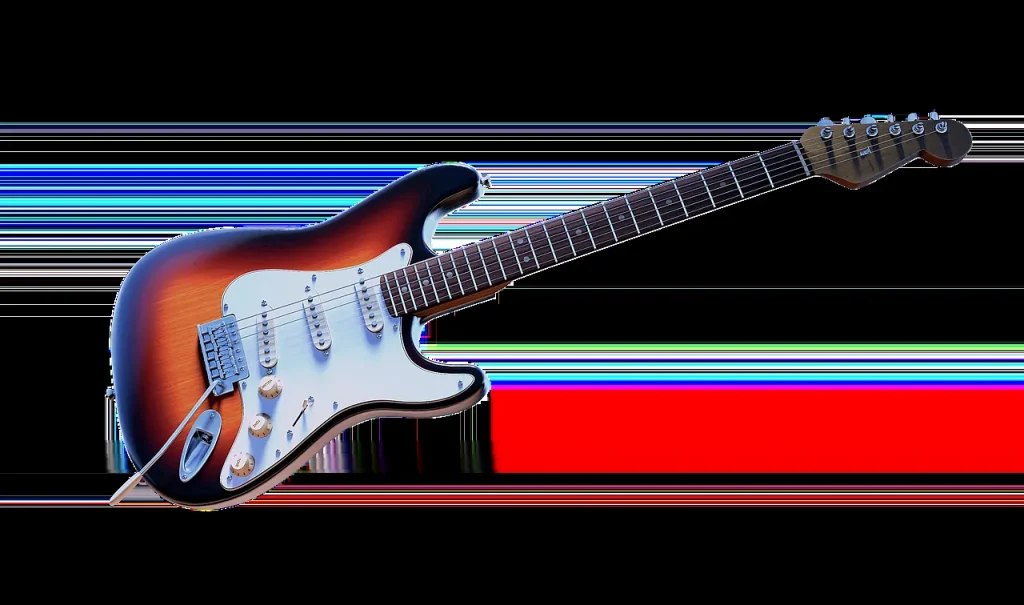
The electric guitar is an essential instrument in the world of music. It plays a central role in musical genres such as jazz, rock, blues, metal, pop, and country. Its influence and versatility make it a popular choice among musicians from all backgrounds.
The electric guitar is an electromechanical musical instrument that uses vibrating metal strings, electromagnetic pickups, and an amplifier to produce powerful sounds. Its distinctive sound and versatility allow it to adapt to different musical styles.
In jazz, the electric guitar adds depth and subtlety to arrangements, with sophisticated harmonies and captivating solos. In rock and blues, it is often used to create powerful riffs and memorable solos that captivate listeners. In metal, it often produces heavy, aggressive sounds that suit the genre’s intensity. In pop and country, it adds a catchy, melodic sound that gives songs another dimension.
The electric guitar thus plays an essential role in the evolution of music and continues to inspire musicians around the world. Whatever the genre, it allows artists to express themselves and create unique sounds that move listeners.
The different types of guitars
There are three main types of guitars: the classical guitar, the acoustic guitar, and the electric guitar. Each has its own characteristics and is used in different musical contexts.
Classical guitar
The classical guitar is often associated with classical music and flamenco. It has six nylon strings, which give its notes a soft, warm sound. Its neck is generally wider and flatter, making fingerstyle playing easier. The classical guitar is also used in some styles of folk music.
Acoustic guitar
The acoustic guitar is a versatile instrument suited to many musical genres, such as folk, country, blues, and acoustic rock. It also has six strings, but they are made of steel, giving it a brighter, more striking sound. Its sound box amplifies the strings’ vibrations, creating a louder, richer sound. The acoustic guitar is often used to accompany singing and can be played with the fingers or a pick.
Electric guitar
The electric guitar is the instrument of choice in many musical genres, including rock, blues, jazz, metal, and pop. It is fitted with electromagnetic sensors called pickups, which convert string vibrations into electrical signals. These signals are then amplified and altered by an amplifier and effects to produce a wide range of tones. The electric guitar offers great tonal flexibility and lets guitarists explore different sounds and playing techniques.
| Type of guitar | Associated genres |
|---|---|
| Classical guitar | Flamenco, classical music, some folk music |
| Acoustic guitar | Folk, country, blues, acoustic rock |
| Electric guitar | Rock, blues, jazz, metal, pop |
Each type of guitar has its own appeal and offers unique possibilities for expression. Whether you are drawn to the gentle sound of the classical guitar, the raw, authentic character of the acoustic guitar, or the versatility of the electric guitar, there is an instrument to suit your musical tastes and playing style.
The sounds of the electric guitar
The sound of an electric guitar depends on several factors, including the pickups used. Single-coil pickups produce a clear, dynamic sound, making them an ideal choice for genres such as rock and funk. P90 pickups offer a sound richer in midrange frequencies and are often used in styles such as jazz and country. Finally, dual-coil pickups, or humbuckers, provide a powerful sound and are especially popular in genres such as metal, rock, and blues.
In addition to the pickups, the shape of the electric guitar and its body can also influence its sound. Electric guitars with larger bodies tend to produce a thicker, warmer sound, while lighter guitars encourage a more resonant, airy sound. Each electric guitar shape has its own sonic character, allowing musicians to choose the instrument that best suits their style and tonal preferences.
There is a wide variety of pickup types for electric guitar, each offering unique tonal characteristics. Some pickups are designed to produce a warm, vintage sound, while others offer a more modern, cutting tone. Experienced guitarists can even combine different pickup types on a single guitar to achieve a broader tonal palette. Ultimately, the choice of pickups is a personal decision that depends on each musician’s style and preferences.
| Pickup type | Sound | Musical genres |
|---|---|---|
| Single-coil pickups | Clear, dynamic sound | Rock, funk |
| P90 pickups | Sound rich in midrange frequencies | Jazz, country |
| Dual-coil pickups (humbuckers) | Powerful sound | Metal, rock, blues |
The playability of the electric guitar
An electric guitar’s playability is an essential consideration when buying one. Several factors can affect its playability, including the neck, the body shape, and the hardware.
The neck
An electric guitar’s neck plays a major role in its playability. Necks come in different profiles and fretboard radii. Guitarists who play quickly generally prefer necks with a flatter fretboard radius, which makes fast solos and string-bending techniques easier. Thicker necks offer a solid feel, ideal for powerful chords and rhythm playing.
The body shape
An electric guitar’s body shape can also affect its playability. Guitars with lighter, less bulky shapes are often favored by guitarists who move around a lot onstage. They make high notes easier to reach and are more comfortable to play for long periods. Guitars with more traditional shapes may offer better resonance and a warmer sound.
The hardware
Hardware refers to an electric guitar’s mechanical components, such as the tuning machines, tremolo system, and bridge saddles. Good hardware helps the guitar stay in tune and makes quick adjustments easier during concerts. Some guitarists prefer guitars with a floating tremolo system for more expressive pitch-bending effects, while others prefer a fixed bridge for greater stability.
In short, an electric guitar’s playability depends on its neck, body shape, and hardware. It is important to choose a guitar that is comfortable to play and suits your playing style and personal preferences.
| Factors | Effect on playability |
|---|---|
| Neck | Profile, fretboard radius, thickness |
| Body shape | Weight, access to notes, resonance |
| Hardware | Tuning machines, tremolo system, bridge saddles |
The appearance of the electric guitar
The appearance of an electric guitar plays an essential role in a musician’s artistic world. Onstage, at a concert, or simply for personal enjoyment, the instrument’s look can help reflect the style of music being played.
Jazz guitars, for example, often feature understated, elegant finishes that reflect the genre’s intimate, sophisticated atmosphere. Metal guitars, by contrast, may display more extravagant patterns and colors that reflect the style’s energy and intensity.
The electric guitar’s design can also vary considerably from one model to another. Some guitars have a classic, timeless silhouette, while others embrace bolder, more unconventional shapes. Whatever their appearance, electric guitars are often works of art in their own right, combining aesthetics and function.
Examples of electric guitar appearances:
| Guitar | Description |
|---|---|
| https://www.youtube.com/watch?v=hEOuGs7m8bw | Jazz-style electric guitar with a matte black finish and subtle mother-of-pearl inlays. Understated and elegant. |
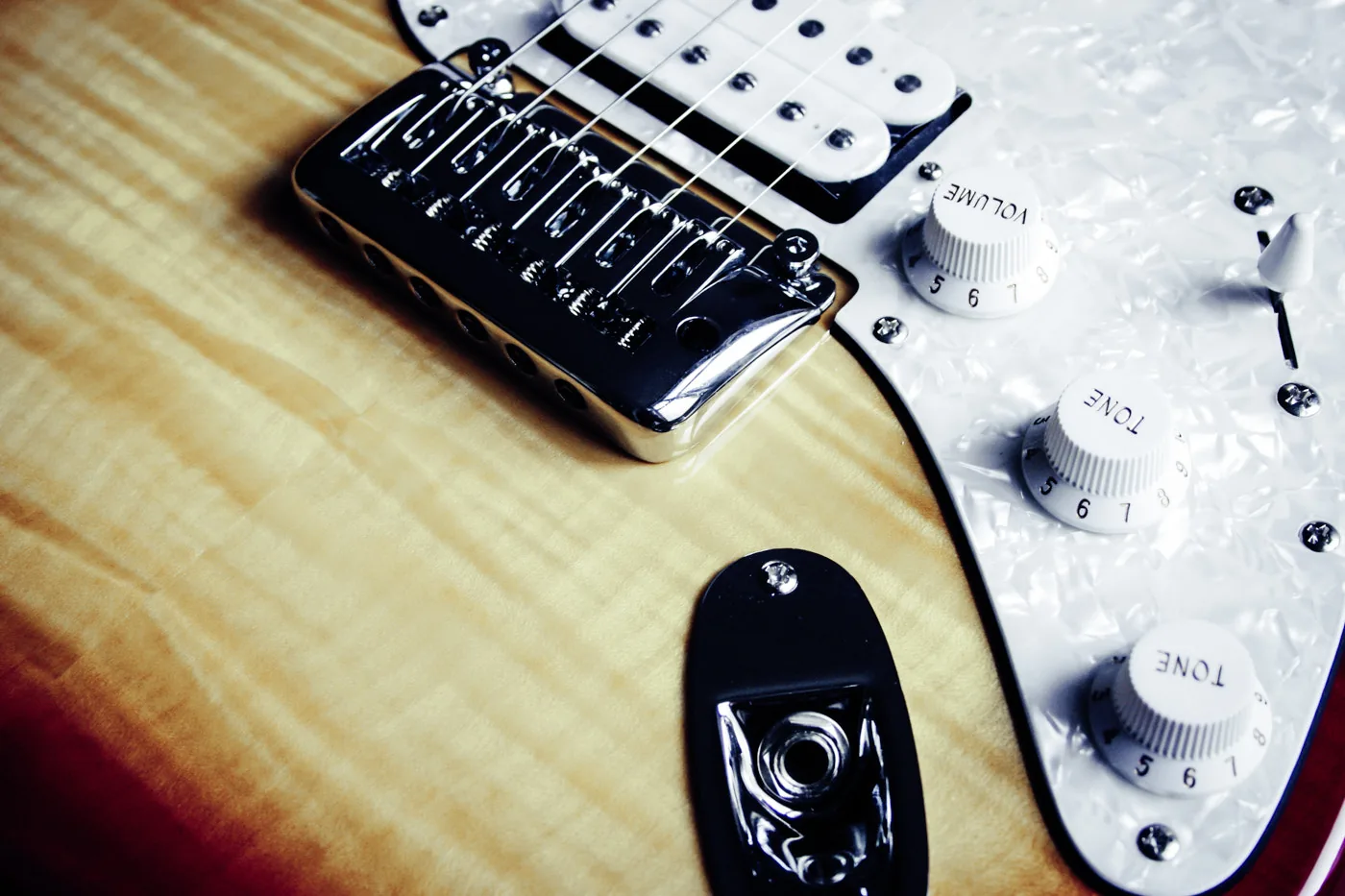 |
Metal-style electric guitar with a glossy fluorescent red finish and tribal patterns. Energetic and extravagant. |
| https://www.youtube.com/watch?v=NAGZMLXoIbk | Electric guitar with a futuristic design, an asymmetrical shape, and colorful finishes. Original and modern. |
“The appearance of an electric guitar can be a deciding factor for many guitarists. It lets them express their musical style and personality onstage while adding a visual dimension to the performance.”
In conclusion, the appearance of an electric guitar goes beyond aesthetics alone. It helps create an atmosphere and a visual identity in keeping with the musician’s style. Understated and elegant for jazz, extravagant and energetic for metal, or bold and modern in unconventional designs, it is an integral part of the musical experience.
Conclusion
In conclusion, the electric guitar plays a central role in musical genres such as jazz, rock, blues, metal, pop, and country. Its distinctive sound, playability, and appearance all help create the mood and style of musical performances. Whether it produces a clear, dynamic sound or a powerful, distorted one, the electric guitar is an essential part of modern music.
FAQ
What are the different types of guitars?
The different types of guitars are the classical guitar, the acoustic guitar, and the electric guitar.
How is the sound of an electric guitar produced?
An electric guitar produces sound through vibrating metal strings, electromagnetic pickups, an electronic amplifier, and a loudspeaker.
What types of pickups are available for an electric guitar?
The main pickup types are single-coil pickups, P90s, and dual-coil pickups (humbuckers).
What factors affect an electric guitar’s playability?
An electric guitar’s playability depends on its neck, body shape, and hardware.
What role does the appearance of an electric guitar play?
The appearance of an electric guitar can play a role in a musician’s artistic identity.