
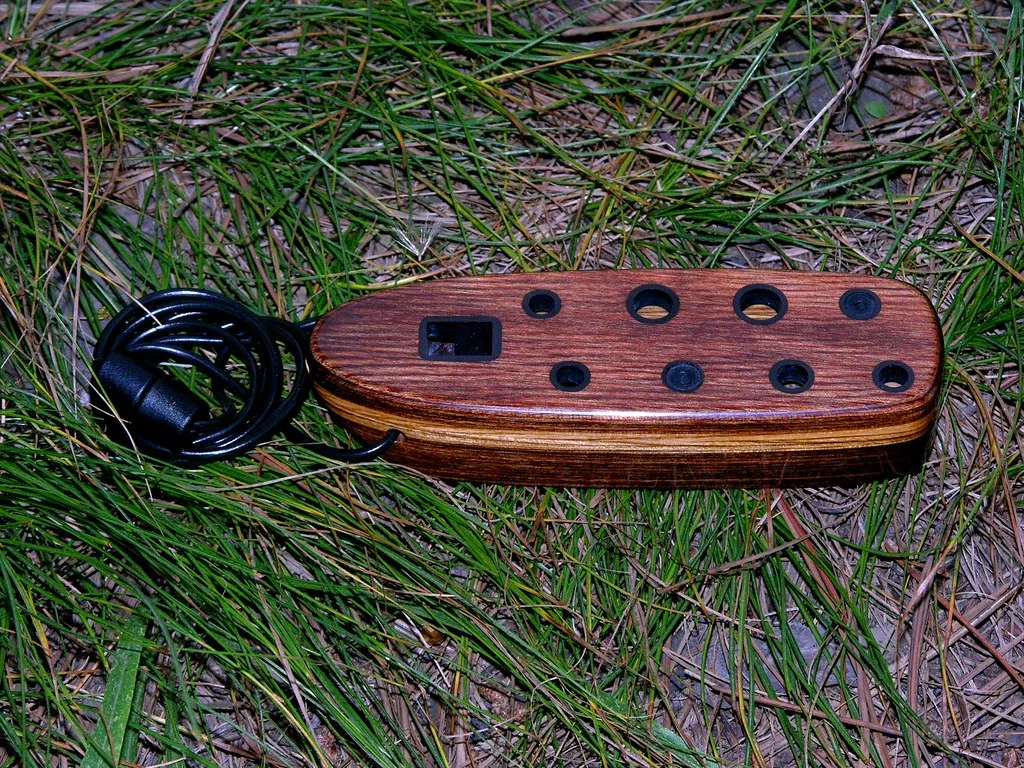
What this guide offers: a simple, step-by-step method for keeping your instrument clean, hygienic and sounding its best.
A few daily habits — wiping it with a soft cloth and gently cleaning the mouthpiece — are enough to limit wear and corrosion. You need no expensive tools or harsh products.
We also explain the steps suited to each material: ceramic, plastic, wood and metal. You will learn what to avoid so your ocarina stays in tune.
Finally, the guide covers care after every playing session, a more thorough cleaning every three months, safe drying and proper storage. Suitable for beginners and experienced musicians alike, this plan helps you preserve the instrument’s sound quality from today onward.
Why caring for your ocarina improves hygiene and sound quality
Cleanliness directly affects a wind instrument’s tuning and lifespan. Repeated contact with the lips allows germs to accumulate. A quick wipe after each use reduces this health risk for musicians.
Saliva and dust collect around the holes and inside the chamber. These deposits disrupt airflow and change the sound. Notes may then sound out of tune despite good technique.
Moisture deserves particular attention: on plastic models, condensation temporarily changes the pitch. Brief, targeted drying helps keep notes in tune.
“A simple, regular habit preserves the original tuning and prevents you from mistaking sound problems for inexperience.”
| Problem | Effect | Quick action |
|---|---|---|
| Biological deposits | Health risk | Wipe the mouthpiece |
| Dust in the air passages | Loss of note clarity | Blow gently and clean |
| Condensation on plastic models | Unstable pitch | Brief air drying |
Whether you are a beginner or an experienced player, a short routine after each use keeps this musical instrument reliable in the studio and in an ensemble.
Essential precautions before cleaning
A few simple precautions protect your instrument. Always start with hygiene: wash your hands and clean the mouthpiece with mild soap to limit contamination.
Recommended tools: use a microfiber cloth, mild soap, a low-pressure air duster, cotton swabs and pipe cleaners. Store these accessories once they are clean, and choose reliable brands.
General method
Work on a clean, flat surface. Take your time, and avoid getting liquids inside when doing so poses a risk. Test any product on an inconspicuous area before using it.
What to avoid
Never use: a dishwasher or harsh detergents. Heat, pressure and solvents damage finishes and seals.
| Tool | Use | Precaution |
|---|---|---|
| Soft microfiber cloth | Wiping the exterior and mouthpiece | Use no abrasive product |
| Low-pressure air duster | Controlled clearing of air passages | Keep some distance and use short bursts |
| Mild soap | Cleaning the mouthpiece locally | Rinse and dry immediately |
| Cotton swabs and pipe cleaners | Cleaning holes and air passages | Use gently to avoid affecting the tuning |
Beware of excess moisture: porous ceramic models can absorb water and go out of tune, while plastic models are prone to condensation. For practical advice on handling and technique, see our guide to learning to play easily.
Care routine after each use
After each use, follow a simple routine. These quick steps preserve your instrument’s cleanliness and tuning.
Wipe the exterior and mouthpiece
Start by wiping the mouthpiece and body with a soft, clean, lint-free cloth. If necessary, dampen the cloth slightly with soapy water, then dry the instrument immediately.
Reduce condensation and allow air to circulate
Lay the instrument horizontally and leave it in the open air for a few minutes. Air helps remove moisture from the passages; do not speed up drying with heat.
Manage condensation on plastic models
On plastic models, gently dab the openings with a small piece of absorbent paper. Then tilt the instrument to help moisture drain without blowing hard.
- Hygiene: clean the mouthpiece first, as it is the area most exposed to germs.
- Hold the instrument by less delicate areas with clean hands to limit the transfer of dirt.
- Avoid heat sources when drying: heat can warp the material.

A short, regular and consistent routine after each session keeps the instrument clean, stabilizes its tuning and extends its life. To improve your breath control and limit internal moisture, see the guide to blowing properly.
Deep cleaning by material
Successful deep cleaning starts with an understanding of the material’s sensitivity. Adapt each step to protect the instrument’s response to your breath and its tuning.
Ceramic: never immerse a ceramic instrument. Its porosity encourages water absorption, changes the mass of its walls and disrupts resonance. Wipe the surface with a soft cloth and a drop of mild soap, rinse only the cleaned area without soaking it, then let it air-dry at room temperature.
Plastic: a quick bath in lukewarm water with mild soap is acceptable for plastic models. Brush very gently if needed. Rinse thoroughly and dry without heat to prevent condensation and warping. Avoid the dishwasher.
Wood and metal: use as little liquid as possible. For wood, use a barely damp cloth, then dry immediately to prevent swelling and cracks. For metal, remove moisture at once and apply a very thin anti-corrosion coating if the manufacturer permits it.
“Excess moisture is a risk for every material: limit its exposure to water accordingly.”
Products and actions to avoid: avoid solvents, abrasives and hard tools in the holes. Never force anything into the air passages; protect the edges of the voicing hole to preserve note accuracy. At this stage, inspect the holes visually without scratching them.
For more advice on caring for other wind instruments and their equipment, see our guide to care and maintenance.
Clear the holes and mouthpiece without affecting the tuning
To remove blockages and lint safely, use precise, gentle movements.
Mouthpiece: cut a strip of paper to the exact width of the opening. Slide it in gently to loosen deposits toward the chamber. Pull it out without rubbing the edges so you do not damage the surface.

Tools for the openings
- Use a cotton swab for small bits of dirt and a pipe cleaner for each hole.
- Insert them without force, then turn them gently to pick up lint and dust.
- Never twist or widen an opening: keep your hand light to preserve the tuning.
Using air
Expel residue with short, controlled bursts of air. Cover the sound opening to limit airflow and make the process more effective.
If needed, use an air duster in short bursts or a hair dryer on its cool setting, angled away from the instrument. Keep metal and other hard objects out of the air passages.
“Regularly clearing blockages preserves the response of the holes and limits changes in pitch.”
Afterward, inspect each opening visually. For advice on checking the tuning after cleaning, see how to tune a 12-hole ocarina.
Drying, storage and long-term protection
Protecting the instrument after playing begins with careful drying and suitable storage.

Let it dry naturally at room temperature, away from direct sunlight and heat. UV light fades the instrument, and heat can crack ceramic.
Case, moisture and accessories
Choose a padded case or pouch from established brands. Add silica gel packets to limit moisture and extend the life of the instrument and its accessories.
Positioning and padding
Secure the instrument without putting pressure on the holes or mouthpiece. Proper padding reduces the risk of breakage during transport by 35%.
Before storage, gently wipe the instrument with a dry cloth to avoid trapping residual moisture. Keep it in a place with moderate humidity, outside the bathroom, on a stable shelf.
“A stable environment protects the finish and lets you start playing again without unpleasant surprises.”
Ocarina care: cleaning, drying and storage — frequency and warning signs
A simple routine after playing prevents most sound problems. After each use, take a few steps: wipe the instrument quickly and leave it in the open air briefly to release moisture.
Deep cleaning: plan a full check about every three months, adjusting the interval to how often you play and your environment, including dust and humidity.

Warning signs to watch for
Look out for problems early: out-of-tune notes, altered tone, noisier airflow or a feeling that the chamber is dirty. Persistent condensation, especially on some models, signals that cleaning is needed.
Adjusting the frequency
- For an instrument played daily: check the air passages monthly and clean it every three months.
- For occasional use: clean thoroughly every three to six months.
- While learning, a sudden difficulty may be caused by an internal deposit rather than poor technique.
| Frequency | Action | Indicator |
|---|---|---|
| After each use | Wipe and air briefly | Visible moisture, saliva |
| Every three months | Thoroughly clean the air passages | Unstable notes, rough airflow |
| Heavy use | Check more often | Accumulating deposits |
“A small, regular task is better than risky disassembly or an expensive repair.”
Practical tip: keep a care log with dates, symptoms and actions taken. This helps you track sound quality over the years and anticipate maintenance.
Common mistakes to avoid and good practices endorsed by musicians
Some common misconceptions can harm an instrument’s sound. Safe habits from the outset help beginners and more advanced players alike.
Immersing ceramic in water or speeding up drying with heat
Never immerse a ceramic instrument. Its porosity encourages water absorption and may change its acoustics. Prolonged immersion can also cause cracks.
Avoid heat sources when drying: a hot hair dryer, radiator or direct sunlight can warp and weaken the surface.
Underestimating condensation in plastic models and its effect on tuning
Condensation in plastic models can be mistaken for a tuning problem. Targeted wiping and a brief period in the open air often restore the pitch.
Keep it simple: wipe the instrument, let it air, blow gently or use a short burst of cool air. Never put hard objects into the holes: they can scratch and deform them.
Tip: make these precautions part of your learning routine and keep a practice journal. Small, repeated actions make a difference.
Conclusion
To keep your notes clear, adopt a simple, regular routine suited to the material. In particular,
ceramic needs special attention: never immerse it and manage moisture carefully. Plastic may tolerate a quick bath, but avoid soaking it for too long.
Gently clearing the holes, letting the instrument air-dry and storing it in a padded case with silica gel extend its life. These steps improve sound quality and playing comfort.
These methods suit players at every level. Start this routine today to keep your instrument reliable for years. To learn to play, see our guide to playing the 6-hole ocarina.