
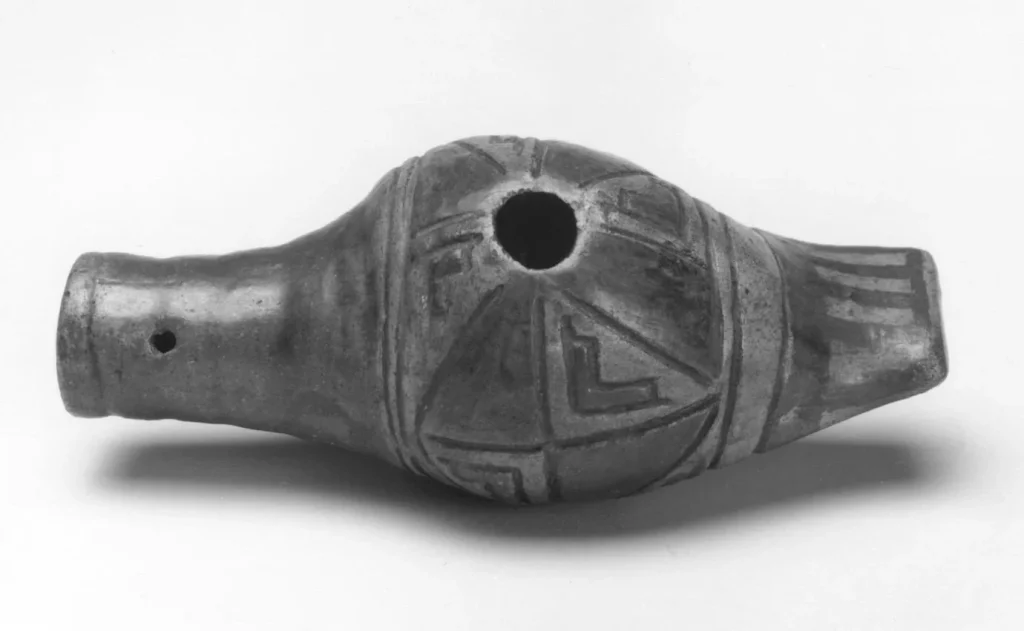
This practical guide helps you learn the famous Windmill Hut theme, composed by Koji Kondo for The Legend of Zelda: Ocarina of Time, released in November 1998.
We explain why tablature makes the melody accessible to beginners. You will follow a clear progression: reading the symbols, learning the main motif, steadying your breath and positioning your fingers.
There are two ways to learn. Start with a version for a 6-hole ocarina, then move on to the 12-hole version for a fuller sound.
The community offers reliable versions, including a 12-hole ocarina version by joebertin that many users appreciate. Their feedback helps you choose among the available resources.
The goal of this guide is to master the motif, understand the tempo and articulation, and turn reading the tablature into an expressive performance.
Keep your practice goals realistic as a beginner. Practice in short sessions and keep the sheet music nearby so you can put each tip into practice.
Zelda background and equipment: choosing an ocarina and understanding the sheet music
To approach the melody, let’s begin with its history and the recommended equipment.
Music credit: Koji Kondo — The Legend of Zelda: Ocarina of Time, November 21, 1998.
This theme became memorable for its repeating motif and lilting rhythm. The melody is easy to remember, making it ideal for a first guided lesson.
Choosing between a 6-hole ocarina and a 12-hole model affects the range you can play. The 6-hole model is simple and quick to learn. The 12-hole model offers more nuance and lets you get closer to the original version.
On community platforms, you can find well-regarded versions, including joebertin’s for a 12-hole ocarina and Tgev’s for a 6-hole ocarina. Compare these tablatures visually to see how the same melody is played with different fingerings.
Learn to read the sheet music: fingering diagrams, breath marks, tempo cues and articulation. Keep a steady posture and check that the holes are fully covered before working on expression.
- Break the music into sections.
- Identify repetitions of the theme.
- Practice short loops to memorize the fingerings.
Beginner Song of Storms ocarina tablature: learn the melody step by step
Find a comfortable playing position and control your breath before tackling the main motif.
Finger position and breathing: position the mouthpiece correctly, cover each hole with your finger pads and relax your shoulders. A moderate breath prevents strained notes and helps you play cleanly.
Finger position and steady breathing
Breathe in quietly, then articulate each note with a light “tu” to make the melody clear. Practice coordinating your fingers and breath in short loops with a metronome.
Main motif: fingering, tempo and articulation
Break the theme into 2 to 4 short phrases. Repeat each one slowly, then increase the tempo only when you have mastered the fingerings.

Progress and common mistakes
For Tgev’s 6-hole version in the key of C, aim for clear notes and consistent articulation. Its low difficulty lets you learn the structure quickly.
For joebertin’s 12-hole version, created on January 7, 2021, pay attention to changes of register and intonation. This version requires more control and offers more nuance.
Rhythm and expression
Gently emphasize the strong beats and ease your breath at the end of each phrase to add shape without changing the tempo. Vary the volume from one repetition to the next, and alternate between legato and detached notes.
- Finish the session by playing the whole piece at a comfortable tempo.
- Briefly note the passages to work on the next day.
“Windmill Hut” — Koji Kondo’s original theme, an inspiration since November 1998.
Useful resources, versions and comments for making progress
Here is how to choose reliable references and make use of community feedback.
Recommended 12-hole ocarina version: joebertin’s “Intermediate” version, created on January 7, 2021, at 7:05 p.m., offers a complete arrangement. It has 19 likes and 1 comment. This edition is well suited to practicing changes of register and dynamics.
A 6-hole ocarina version for beginners: Tgev’s version in C, dated May 7, 2013, has a difficulty rating of “None” and 1 like. It remains ideal for memorizing the motif without technical difficulty.
How to use comments and likes: these indicators help you choose clear, suitable sheet music. A useful comment often points out a usability issue or a fingering correction.
- Choose one main version, such as the one joebertin created on January 7, 2021, and a second to check difficult passages.
- Compare fingerings suggested by different contributors, such as Rinku, cocothebest and Guiliana, to find the most comfortable approach.
- Leave a comment after a few days of practice: it helps the community and may bring you specific feedback.
Practice tip: record yourself playing the same phrase using several sources. Compare your tuning and playing comfort, then choose the version that best serves the music.
Community resources offer several ways to approach the music and help sustain motivation through visible feedback.
Conclusion
Remember the steps: choose a suitable instrument, understand the sheet music, break the melody into short phrases, then steady your breath and articulation. Bring these elements together for playing that is fluid and expressive.
Start with the 6-hole version if you are starting from scratch, then move to the 12-hole version once you can play the music at a moderate tempo.
Use reliable references, particularly the version created by joebertin on January 7, 2021 and Tgev’s 6-hole ocarina adaptation. Listen to convincing performances to refine your phrasing.
Practice plan: spend 10 to 15 minutes on the motif, 5 minutes on transitions, then play the whole piece. Post a comment after a few days to receive useful feedback.
Finally, keep recordings of your attempts and aim for a lively performance of this famous piece, with a clean tone on your ocarina. To enrich your practice, explore other pieces and take on your next challenge.