
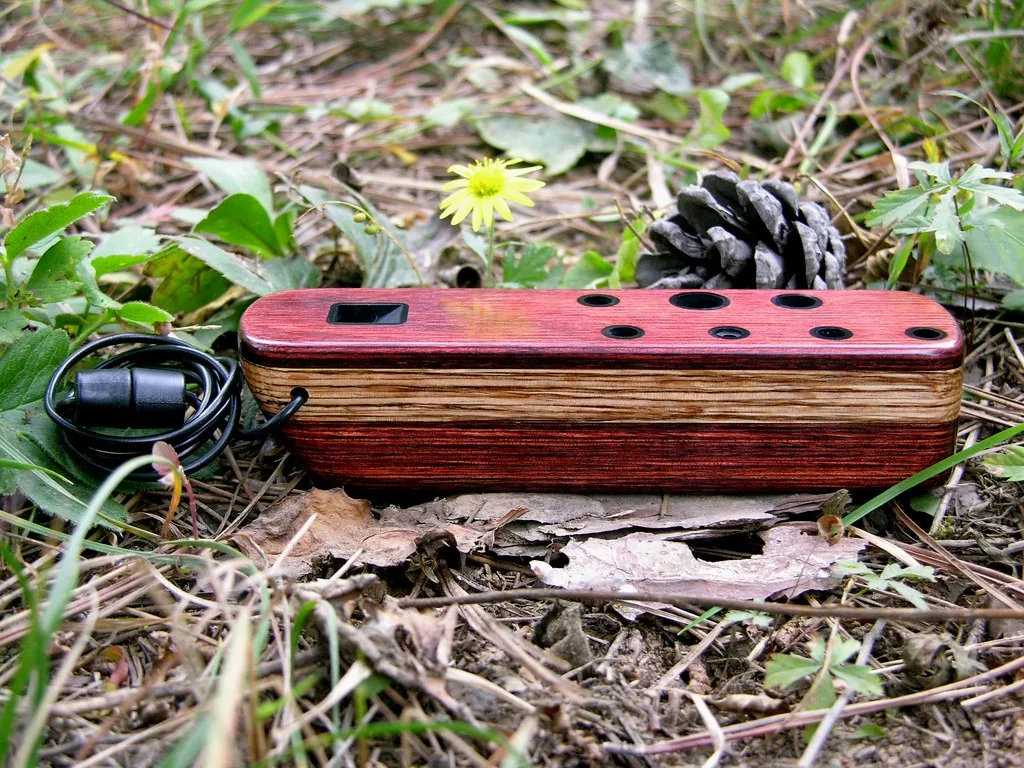
Quickly learn Saria’s Song from The Legend of Zelda: Ocarina of Time. This guide offers a progressive, accessible score for getting started on the ocarina.
The section to learn begins at 0:50 in the original video. We use that cue to practise the tempo and memorise the melody.
The resource was created by Rinku on February 27, 2022. Level: Easy. Options: C, 12 holes, 6 holes, double, triple, 10 holes.
Here you will find advice on finger placement, breathing and reading the score so you can produce a clear sound from the start.
Note: this piece is Saria’s Song, rather than the Lost Woods theme. For a score of the woods theme, see another resource, such as the Lost Woods sheet music.
Background, sources and cues for Saria’s Song
To place this melody in context, first distinguish between two titles that are often confused. Saria’s Song is the song Link learns on the ocarina, while the woods theme evokes the forest’s overall atmosphere.
From Lost Woods to Saria’s Song: clarifying the name
Many people use “Lost Woods” to refer to the same track. This confusion makes it harder to find scores and tablature.
Tip: use the exact title to find the right score and avoid opening a different version.
Koji Kondo, Ocarina of Time and its 1997 release
The music was composed by Koji Kondo and comes from The Legend of Zelda: Ocarina of Time, released in 1997. The game was released on N64, GameCube and 3DS, which helps explain the many variations.
Useful video cue: start at 0:50
To practise the right section, start the video at 0:50. This gives you the tempo and rhythmic feel you need before reading the score.
- Cited resource: created by Rinku on February 27, 2022; Easy level.
- It suits beginners and includes guidance for 6-hole and 12-hole ocarinas.
Simplified Saria’s Song ocarina tablature: learn step by step
Learning gradually makes the theme easier to memorise and helps you play accurately. This short guide gives you clear steps for preparing your instrument, reading the score and practising difficult passages.
Before you begin: tuning, reading and tempo
Before playing, check the tuning so the music stays true to the piece. Use a metronome to steady the tempo and practise slowly.
Reading a simplified score: numbers, letters and holes
Choose the notation that makes the most sense to you. Numbers or letters are quick to read; identify the position of the holes to avoid air leaks.
Fingerings for 6-hole and 12-hole ocarinas: easy variations
With a 6-hole instrument, practise simple note sequences. With a 12-hole instrument, make use of sustained notes and smoother transitions.
Break the song into short sections
Practise 2 to 4 measures at a time. Once you have mastered them, join the sections together to rebuild the melody smoothly.
Practical tip
Listen to the source video before each practice session to memorise the main motif. This helps you play at the right tempo.

For a related version of the theme, see the Lost Woods sheet music. The resource, created by Rinku, is useful for comparing fingerings and notation. In addition, review the score and mark where to breathe for a better musical result.
Useful resources and the creation of the tablature
This page brings together the practical information you need to access and use the score created by Rinku.
Created by Rinku on February 27, 2022, at 4:34 p.m., it is publicly available. The resource lists its difficulty as Easy and has received 2 likes and 3 comments, reflecting a positive response from the community.
The page is filed under Sheet Music > Video Games > The Legend of Zelda > Saria’s Song. You will find a score adapted for C, 12-hole, 6-hole, double, triple and 10-hole formats.
Practical details
- Public access and easy downloading.
- To rate or comment, you need to log in or register on the platform.
- A separate link leads to the Lost Woods version if that is the specific title you are looking for.
Benefit: the list of options, including the “holes holes” labels, lets you compare fingerings for your instrument.
Conclusion
Follow these simple cues to memorise the melody and expand your repertoire. The song comes from The Legend of Zelda: Ocarina of Time (released in 1997), and the public tablature was created by Rinku at an Easy level.
You now have a clear method: an accessible score, a listening cue at 0:50 and a step-by-step progression. Remember the distinction from Lost Woods when choosing scores and tablature. Practise in short sessions, mark your breaths and explore other music once you feel comfortable with this piece.