
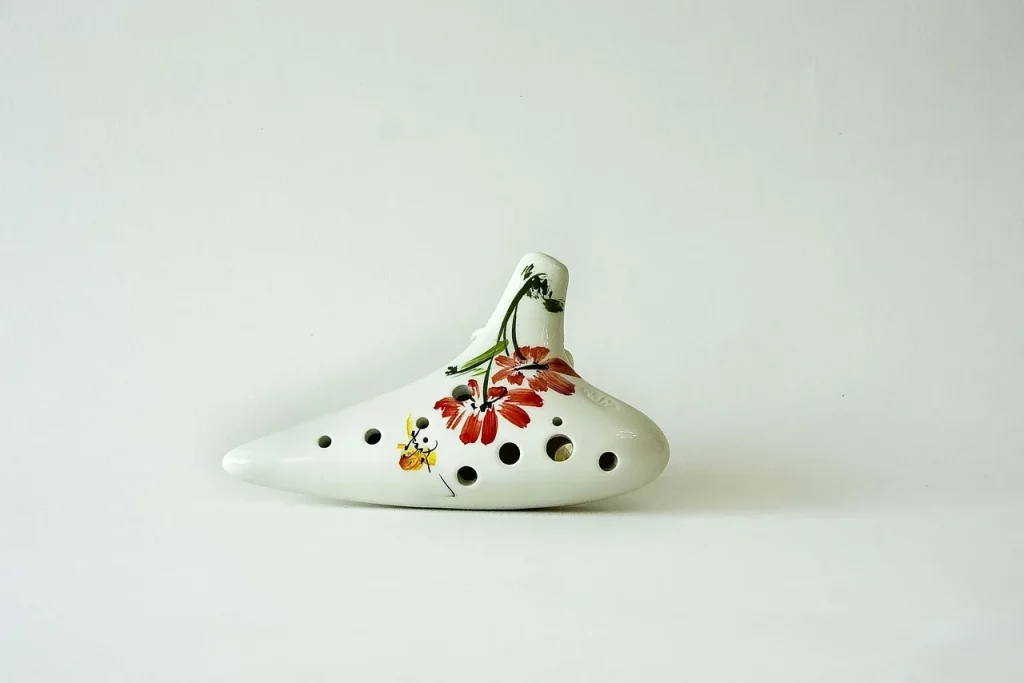
Looking for a rare and charming instrument? This article offers a clear, up-to-date guide to help every musician choose according to their skill level and budget.
Ocarinas are rarely found in physical stores or on the second-hand market. Online specialists offer the widest selection, advice and after-sales service. For example, Instruments du Monde advertises more than 70 models.
We begin by explaining the benefits of these stores: a variety of sounds, help with choosing, and opportunities to try an instrument. We also discuss hygiene inside the chamber, the limits of in-store trials and the 14-day right to cancel an online purchase.
Demand has grown in recent years following exhibitions and greater cultural visibility. The sections below present reliable places to shop, budget guidelines and ways to start learning soon after your purchase.
Your 2025 guide to finding an ocarina in Paris and online
Here is a clear overview of the websites and retailers where you can find this instrument, along with their price ranges. Specialist online stores often offer more than 70 models, advice and reliable after-sales service.
In physical stores, the selection is limited: calling ahead can save you an unnecessary trip. Large marketplaces offer attractive prices, but quality can vary.
- Specialist online stores — prices: basic models €30–€80, professional models from €100; ideal for comparing options and sounds.
- Large marketplaces — prices are often low; check reviews and return terms.
- Stores in Paris — limited stock; call before visiting and check how the instrument feels in your hands.
- Second-hand options in the Île-de-France region — good deals are possible; check the condition and tuning.
| Type | Price range | Advantage | What to watch for |
|---|---|---|---|
| Specialist online store | €30–€300 | Wide selection, after-sales service, detailed product information | Delivery times |
| General marketplace | €20–€150 | Often low prices | Variable quality, complicated returns |
| Physical store | €40–€200 | Opportunity to try it in person, professional advice | Limited selection |
| Second-hand | €15–€120 | Attractive prices | Wear, uncertain tuning |
To choose well, define your skill level, intended use and preferred key. Then compare product descriptions, listen to sound samples and seek professional advice if you are unsure about tuning or ergonomics.
Things to check: build quality, tuning, responsiveness of after-sales service, information about materials and delivery times. After purchase, many resources—tablature, videos and teaching methods—make it easier to practise and improve.
Where to buy an ocarina in Paris: recommended places
Before choosing, it helps to understand the strengths and limitations of each way to buy.
Specialist online stores: they offer the best selection, technical information and after-sales service suited to wind instruments. For example, Instruments du Monde offers more than 70 models, making it easier to choose with confidence.
Large general marketplaces: their main advantage is price. If there is a problem, such as poor tuning or a crack, resolving it can be more complicated because specialist knowledge is often lacking.
Physical stores: most Parisian shops carry only a few models. Call before visiting to check whether the model you want is available and whether hygiene rules allow you to try it.
The second-hand market: you may find a bargain, but you need to check the condition of the inside. Cleaning the chamber is difficult, and moisture can encourage mould. Bear in mind that a new entry-level instrument can cost less than €50, so a used one is sometimes less appealing.

- Choose specialists for their advice and after-sales service.
- Compare prices and check the 14-day right to cancel.
- Check availability and the return policy before buying.
Specialist online stores recommended for Parisians
Specialist websites remain a good choice for anyone seeking expert advice and a wide selection. They sell only instruments and understand the particular features of this wind instrument.
Why choose a specialist? These stores offer carefully checked instruments, detailed product information and audio samples. They also give personalised advice on getting started with the instrument.
The range covers both beginners and advanced players. Sounds vary with the material, key and number of holes.
After-sales service and support: quality checks on receipt, answers to technical questions and solutions if adjustments are needed. These services are valuable for a wind instrument.
One notable example: Instruments du Monde offers more than 70 models, grouped by key, number of holes and material. Its team checks the tuning, advises buyers according to skill level, and publishes guides and tutorials to help them improve quickly.
Clear information about manufacturing, return terms and stock updates makes comparisons simple and reliable. Choose a specialist for a purchase you can feel confident about for years to come.
Physical stores in Paris: possible, but plan your visit
Visiting a shop can be useful if you plan ahead to avoid an unnecessary trip.
The reality: very few stores keep this instrument in stock; most offer only two or three models.
Call ahead, try it in person and keep hygiene in mind
Call to check how many models are available, their prices and whether a member of staff specialises in wind instruments.
Trying an instrument is sometimes prohibited for hygiene reasons. Saliva entering the chamber or mouthpiece presents a genuine problem.
“A store that protects mouthpieces and disinfects them between trials shows that it takes safety seriously.”
- Ask whether mouthpieces are protected and disinfected between trials.
- If you cannot try one in the store, order online with a right to cancel so you can test the instrument at home.
- Bring a clean cloth and sanitising gel, and avoid trying an instrument if you are ill.
- Plan one or two stops and confirm availability on the day to avoid wasting time.

Budget, models and accessories: choose the right ocarina from the start
Setting a clear budget helps you narrow down the models and accessories suited to your playing.
Price ranges
A new entry-level instrument costs less than €50 and suits beginners.
Intermediate models cost around €80–€150. Handmade and professional instruments often exceed €200 and offer more accurate tuning.
Models and number of holes
Models with 10 or 12 holes are the most common. The 12-hole model has become the standard for learning comfortably.
Multi-chamber models, with two or three chambers, offer a wider range and greater versatility. They do, however, require more experience.
Sheet music and learning
Online sheet music and tablature, video tutorials and progressive exercises can help you play your first melodies quickly.

Recommended starter kit: case, neck strap, cloth, stand, and a tuner or metronome app.
| Item | Price range | Advantage |
|---|---|---|
| Entry-level | < €50 | Suitable for beginners, variable tuning accuracy |
| Intermediate | €80–€150 | Better tuning stability, stable materials |
| Handmade / Professional | > €200 | Excellent tuning and finish |
Cultural and historical background to guide your choice

The ocarina has roots in very old objects discovered around the world. Finds from Runik in Europe date back around 8,000 years, while the Chinese xun has existed for nearly 7,000 years. These discoveries show that instrumental music spans eras and cultures.
The year 1853 marked a turning point: Giuseppe Donati formalised the modern 10-hole ocarina. Later, around 1928, Takashi Aketagawa introduced the 12-hole model, which quickly became the standard thanks to its ergonomics and wider range.
These technical developments directly influence how the instrument is played today. The move to 12 holes improves tuning accuracy and makes learning easier. Double, triple and quadruple models add registers without requiring players to switch instruments, which is useful for arrangements of popular songs.
Popular culture has played a part too: the Zelda series renewed interest in the instrument and introduced new audiences to its music and learning methods. Contemporary makers and workshops now combine traditional craftsmanship with modern expectations.
| Milestone | Date | Impact |
|---|---|---|
| Runik (Europe) | About 8,000 years ago | Early evidence of wind instruments |
| Xun (China) | About 7,000 years ago | A millennia-old tradition of sound-producing openings |
| Donati | 1853 | Modern 10-hole ocarina |
| Aketagawa | 1928 | Spread of the 12-hole model |
In practice: knowing these milestones helps you choose ocarinas suited to your artistic goals and skill level. The historical context clarifies the links between ergonomics, tuning accuracy and the music you can play.
Conclusion
In short, choose online specialists for their wide selection, precise advice and clear return policies. Instruments du Monde offers more than 70 models, making it easier to compare sounds and ergonomics.
For physical stores, call before visiting and consider hygiene inside the chamber when trying an instrument. A used ocarina is often less appealing than an inexpensive new entry-level model.
Finally, check the technical information, audio samples and tuning. After purchase, use sheet music and exercises to start playing rewarding melodies quickly. To learn more about materials such as ceramic and their effect on tone, read the article about the ceramic ocarina.