
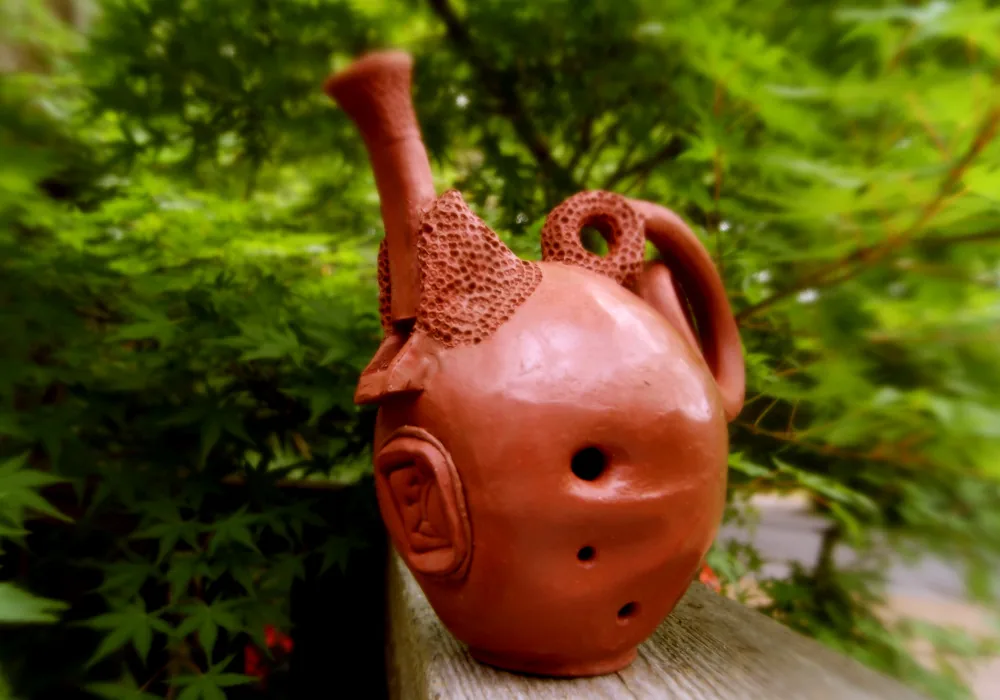
This guide helps you make the right choice for your skill level. It outlines price ranges in France and explains why prices differ.
The price of an ocarina varies widely with its pitch range and material. Plastic, ceramic and wooden models do not offer the same quality. Sopranos, basses, and double and triple models each have distinct price ranges.
This article also explains what a 12-hole ocarina offers beginners and how long it can support their learning. We cover the key considerations: construction, intonation control, finish and accessories.
Our aim: to help you invest at the right level so you can progress without wasting time. The rest of the article surveys the market, price brackets and buying advice for musical instruments, including specialized models.
Understanding the ocarina market in France today
Today, buyers can find ocarinas costing from a few dozen euros to several hundred euros for handmade pieces. This quick overview helps you identify worthwhile options.
Current price ranges at a glance
Practical guide: good models cost between €40 and €300. Sopranos are around €40. Basses rarely cost less than €150 and are often between €200 and €300. Double and triple models range from €150 to €400.
| Range | Indicative price | Features |
|---|---|---|
| Entry level | €40–€70 | Plastic, 12 holes, single chamber, durable |
| Midrange | €70–€200 | Ceramic, better intonation, alto or tenor |
| High end | €200–€400 | Basses, wood, double or triple models, professional finish |
What “sound quality” means for this wind instrument
Sound quality depends mainly on accurate intonation throughout the usable range, consistent tone and a stable response at the start of each note. Twelve-hole models cover about 22 notes, enough for some repertoires.
Material matters greatly: plastic is affordable and sturdy, ceramic offers projection and stability, while wood remains a premium option. To assess a model, consult expert reviews published over the years and selections of the best available ocarinas.
Ocarina prices: beginner and advanced budgets
The right choice balances sound quality, playing comfort and room to improve.
Beginner budgets: realistic expectations and progress
Under €30: the intonation of 12-hole models is often unreliable. If your budget is very low, choose a simple plastic model or a 6-hole model, perhaps a pendant.
€30–€60: this is the recommended bracket for a 12-hole ceramic alto or soprano. It offers a stable playing experience, more accurate notes and good value for beginners.
After a few years of practice, your technique and ear will develop. A well-tuned 12-hole model is generally enough before you consider an upgrade.
When to spend more: tangible benefits
At around €100, established brands and sometimes wooden models or tenors become available. Above that, you can explore basses at €200–€300 and multichamber models at €150–€400.
| Level | Price range | Benefit |
|---|---|---|
| Entry level | Under €30 | Plastic, 6 holes, limited intonation accuracy |
| Best value | €30–€60 | 12-hole ceramic model, stable and ideal for beginners |
| Upgrade | About €100 | Established brands, wood, better control |
| Professional | Over €150 | Basses, double models, wider range, better quality |
- Tip: start with a 12-hole Alto C model costing €30–€60 to make steady progress.
- Warning: unusually attractive online offers may conceal poor tuning.
- Strategy: upgrade when your ear and technique reveal your instrument’s limitations.
What affects the cost: pitch range, materials, holes and chambers
Understanding these factors helps you choose according to the sound you want and your budget. Here is what accounts for price differences and how each feature affects playing.

Pitch range and its effect on price
Pitch range strongly affects price: soprano models cost around €40, while basses rarely cost less than €150 and are often priced between €200 and €300. The lower an instrument’s range, the more work its shaping and calibration require.
Materials: plastic, ceramic, clay and wood
Plastic remains the most economical and durable choice. Ceramic or clay offers consistent sound quality at a moderate price. Wood provides a distinctive tone and an attractive finish but costs more.
Number of holes and chambers
A 12-hole model covers about 22 notes, which suits most repertoires. Six-hole models have a smaller range but are simpler to get started with.
Models with two or more chambers extend the range. They require precise tuning and breath control when switching chambers, making them more complex to produce and more expensive.
Useful accessories
- Case: protects the instrument from knocks.
- Sheet music and a booklet: help you learn faster.
- Stand: provides a safe place to store the instrument.
Practical guide: start with a well-made 12-hole Alto C, then move to a multichamber model if your repertoire calls for one.
Under €30: entry-level ocarinas and their limitations
Under €30, products tend to prioritize durability over precision.
Key point: a reliable 12-hole model is rare at this price. Choose a simple plastic ocarina for its durability, or a small 6-hole model, perhaps a pendant, to explore the instrument without spending much.
The limitations are real: intonation may fluctuate, some holes are poorly calibrated, and breath control is harder. These flaws slow beginners’ progress and make it difficult to play accurately from sheet music.
Suitable uses include a playful introduction, a gift or a short trial before spending more. Always check reviews for comments on intonation and note stability, even if the design appeals to you.
Be aware: do not expect to find a tenor, bass or multichamber model at this price. Basic accessories, such as a fingering chart or short booklet, help you get started but cannot fix poor tuning.
If you are a beginner, start in this bracket if necessary, then consider spending €30–€60 for better sound quality. For more detail on the recommended 12-hole model, read why choose a 12-hole ocarina.
€30–€60: the best value for starting with a 12-hole ocarina
The €30–€60 range often offers the best value for beginners. In this bracket, ceramic alto and soprano ocarinas offer stable intonation and good projection. Many alto ocarinas cover A4–F6, enough for many popular tunes.
Ceramic alto and soprano ocarinas: value for money
Ceramic models offer better sound quality than the cheapest models. They stay in tune more consistently, produce clear note attacks and respond to your breath without being overly demanding. An instrument supplied with sheet music, a case and a fingering chart makes it easier to start with confidence.
When to choose a sturdy, easy-to-play plastic ocarina
A plastic ocarina from an established range, such as the Night by Noble Alto C, remains a good choice if you plan to travel or worry about knocks. Plastic withstands drops, is easy to maintain and can offer good intonation. Choose it if durability matters more to you than a refined tone.
Practical tip: check for accessories such as a bag, sheet music and a fingering chart, then listen to demonstrations before buying. A carefully chosen 12-hole model in this bracket can support several months of learning without frustration.

| Criterion | Ceramic advantage | Plastic advantage |
|---|---|---|
| Intonation | Stable, holds its tuning better | Good on reputable models |
| Durability | Fragile if dropped | Very durable |
| Accessories | Often supplied: case, sheet music | Often included and useful for travel |
| Usable range | Often A4–F6 for an Alto C | Similar on good models |
About €100: an upgrade to better-quality models
The bracket around €100 often brings a noticeable and lasting improvement in quality. At this price, construction is more careful and quality control is stricter.
Notes become more consistent across the range. The holes are better calibrated, breath response is more stable and the tone remains even.
The choice of materials widens to include more carefully checked ceramic and the first solid-wood models. Plastic remains useful for frequent outdoor playing.
Some alto ocarinas and tenors from established brands become affordable. A model in this range often has a better finish, greater comfort and more stable intonation.
Listen to audio or video samples before buying. Compare specifications and reviews to make your choice. High-quality instruments retain resale value and support further progress.

| Benefit | Effect | Advice |
|---|---|---|
| Careful construction | Stable notes | Listen to demonstrations |
| Better finish | Playing comfort | Compare specifications |
| Wood or carefully checked ceramic | Even tone | Research the brands |
Over €100: basses, double ocarinas and premium models
Moving to premium models gives you access to deep basses and multichamber designs. These instruments call for more care when choosing and playing them.

Bass and contrabass ocarinas: low range and cost
Budget clarification: basses generally cost €200–€300 and rarely less than €150. Their size, tuning and breath requirements explain the cost.
Musical appeal: they offer a full tone and a low register suited to accompaniment and slow pieces. Breath control is different, so you will need to adapt your technique.
Double and triple ocarinas: a wider range at what price?
Double and triple ocarinas offer more notes through two or more chambers. Prices range from €150 to €400, depending on the finish.
| Type | Price range (€) | Benefit |
|---|---|---|
| Bass or contrabass | 200–300 | Low tone and presence |
| Two chambers | 150–350 | Extended range and chamber transitions |
| Three chambers | 250–400 | Wide choice of notes and greater complexity |
- Warning: multichamber models are more vulnerable to knocks; plan on getting a sturdy case.
- Construction must ensure sound quality and balance between chambers.
- Listen to demonstrations to check note consistency and the response of the holes.
- Premium ceramic models dominate this bracket; plastic is uncommon.
How to choose for your skill level and musical goals
Your choice of instrument depends mainly on your skill level and the pieces you want to play. This short guide helps you make a sensible choice and progress confidently.
Beginners: 12 holes in C (Alto C)
Choose a 12-hole alto ocarina. This format makes it easier to learn standard fingerings and use teaching resources.
It lets you learn to play from simple sheet music and continue learning without frustration.
Intermediate players: construction, intonation and ergonomics
Look for quality construction. Check the intonation of the notes across the full range.
Test the position of the holes to make sure the instrument stays comfortable to play.
Advanced players: multiple chambers or a low range
Consider multichamber models or basses according to the repertoire you want to play.
Think about material: plastic for portability, ceramic for projection and wood for character.
Practical advice:
- Make sure your ambitions and budget align.
- Choose a well-tuned instrument over a complex model you cannot yet control.
- If possible, try the instrument to assess its response and how easily you can cover the holes.
Practical buying advice: brands, trials and online shopping
A few simple checks before buying can prevent unpleasant surprises. Try the instrument if possible to test its comfort, how the holes respond and the stability of note attacks.
Try before you buy and consult expert reviews
Taking time to listen to a model in real playing conditions often reveals more than photographs. Consult expert reviews published over the years and comparison tests to find the best ocarinas.
Buying online with confidence: check tuning and returns
When shopping online, watch videos and listen to audio demonstrations. Read customer reviews about intonation and quality.
- Check the returns policy and warranties.
- Choose musical-instrument specialists that provide complete specifications.
Stay alert: avoid artificially inflated prices
Warning: be wary of unusually attractive offers that promise professional performance. Consistency between price, construction and quality is a useful indicator.
Check for useful accessories, such as a case, fingering chart and sheet music, but do not value them more highly than the instrument itself. Take time to compare several models by pitch range and intended use.
Conclusion
In short, the key is to choose an instrument that suits your musical goals. A budget of €30–€60 is often enough for a reliable 12-hole model. At around €100, you gain stability and comfort. Beyond that, lower-pitched or multichamber models offer a wider range but require real skill.
Choose quality before complexity: a well-tuned Alto C makes learning easier and playing enjoyable from the start. Take time to listen to demonstrations, try the instrument if possible and read reviews.
Practical tip: favor musical-instrument specialists, check the returns policy and compare offers. Buying the best quality your budget allows helps you avoid replacing the instrument too soon and supports your musical progress.