

Choosing the right bass guitar strings is essential to playing well. There are many options, especially for beginners. This bass string guide will help you find strings that suit you and improve your playing experience.
Light bass strings range from 40 to 100, while heavy strings range from 50 to 110. Gauge affects both sound and playing feel. Light strings suit beginners, while heavy strings are better suited to professional performances.
If you want to choose bass strings, consider your playing style. Roundwound strings have a bright sound, while flatwound strings produce a softer sound. These characteristics help shape the sound of your music.
Understanding Bass String Gauge
Understanding bass string gauge is essential for every bassist. Gauge refers to string thickness, measured in inches. It generally ranges from .050 to .105. This definition of gauge helps explain its effect on tone and ease of playing.
What Is String Gauge?
Gauge is the diameter of a string. It affects how the bass performs. Light strings, from 40 to 95, are easier to play and produce a bright sound.
Heavier strings, from 50 to 105, produce a deeper sound but require more technique.
How Gauge Affects Sound and Playability
Bass string gauge affects string tension. A thick string needs more tension than a thin one. This tension produces a clearer, more powerful sound.
Too much tension tires your fingers and makes playing more difficult.
String material also affects tension. Nickel-plated strings offer better playability. To learn more, consult guides to string gauge.
Which Materials Should You Choose for Your Bass Guitar Strings?
The material of your bass guitar strings matters. It affects sound and ease of playing. Steel strings are popular with musicians and offer a range of tones.
Available Materials
Most bass strings have a steel core, but the winding material changes their sound. The main types are:
- Steel strings: they have a clear, bright sound that is ideal for rock and metal.
- Nickel-plated strings: they offer a warm sound that suits jazz and blues.
- Phosphor bronze strings: they produce a vintage sound and work well for acoustic music.
- Nylon strings: used on acoustic basses, they produce a soft, warm sound.
Benefits of Nickel-Plated Strings Compared with Steel Strings
Nickel-plated strings and steel strings each have advantages that can guide your choice:
| Characteristic | Nickel-plated strings | Steel strings |
|---|---|---|
| Sound | Warm and balanced | Clear and bright |
| Flexibility | More flexible | Less flexible, but more durable |
| Durability | Good durability under normal use | May break more easily depending on playing style |
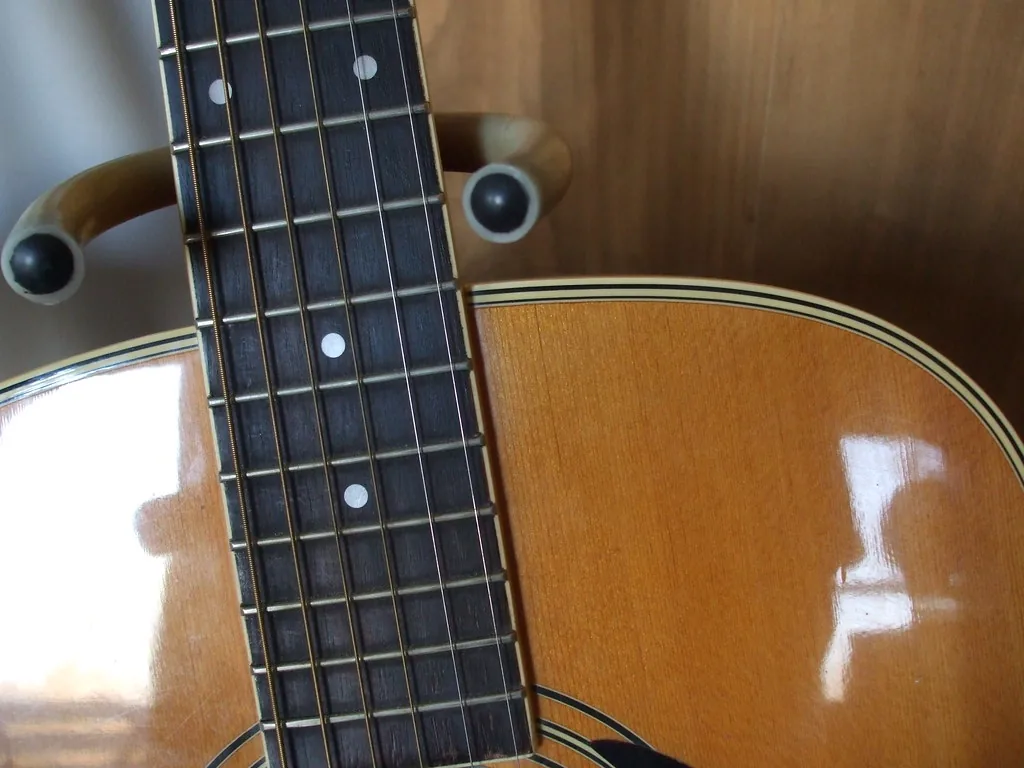
The choice between nickel plating and steel depends on your style. Try both to find what suits you best.
Bass Guitar Strings: How to Choose the Right Ones
Choosing the right bass guitar strings is important. Bassists need to consider gauge, material and winding type. These factors affect sound and playing feel.
A bassist’s personality and musical style also matter when choosing strings.
Important Factors to Consider
The criteria for choosing bass strings include:
- Gauge, generally between .050 and .100 or .105 inches for medium strings.
- String material: nickel-plated strings are valued for their longevity and tone.
- String type, mainly roundwound or flatwound, which directly affects the sound.
The Difference Between Roundwound and Flatwound Strings
Bassists appreciate roundwound strings for their clear sound. They suit many styles and techniques, including slap and tapping.
Flatwound strings have a soft, muted sound. Used since the 1950s, they offer a classic, retro tone and last longer.
Why String Length Matters
String length is essential to the quality of an electric bass. Each model needs a specific string length, which affects playing comfort and sound quality.
String Lengths for Different Bass Models
Different bass models need different string lengths. The most common are:
- Long Scale: 86.4 cm, or about 34 inches. This is standard for most electric basses.
- Medium Scale: designed for basses with an intermediate scale length, it offers a good balance between playability and sound.
- Short Scale: about 30 inches, for lower string tension.
- Extra Long Scale: designed for 35-inch basses, it provides suitable tension and a rich sound.
Effects of Length on Sound and Playing Comfort
String length affects sound and ease of playing. A longer scale length gives a clearer sound. A shorter scale makes playing easier and reduces tension.
String tension, which depends on length, also matters. Gauge varies between string sets and affects the sound.

Comparing the Best Bass String Brands
Choosing the right bass strings is essential for the best sound and playing comfort. A comparison helps identify respected brands known for quality and longevity.
Comparing Well-Known Brands
- D’Addario Nickel Wound: they offer a bright sound but last about 3 to 4 months.
- Dean Markley Blue Steel: they retain a pleasant sound for several months but may break.
- DR Marcus Miller: they are durable and offer excellent sound. With moderate use, they last about 4 months.
- Elixir Polyweb and Nanoweb: they last a long time, from 6 to 9 months. Polyweb strings give a warm sound, while Nanoweb strings may sound too metallic.
- GHS Boomers: they offer good sound quality but lose their brightness quickly.
- LaBella bass strings: their sound improves over time and becomes richer.
The Best Strings Recommended by Professionals
Professional bassists have different preferences depending on their style and needs. Elixir strings are often recommended for their durability. Slinky Stainless Steel strings suit rock and metal. Rotosound strings are popular, although opinions differ on their texture and feel.

Conclusion
Choosing the right bass strings can transform both your playing and your sound. Consider gauge, material and length. Every bassist can then create a distinctive tone. This bass string guide helps you understand these choices.
Playing comfort is essential. A 34-inch scale is common, but short-scale basses can suit beginners better because they are easier to hold. Trying a six-string bass can be an interesting way to explore new sounds, although it takes time to adjust to its string gauges.
Your bass strings should suit the music you enjoy playing. Well-chosen strings improve your comfort and sound. Take time to learn about your options so you can get the most from your instrument.