
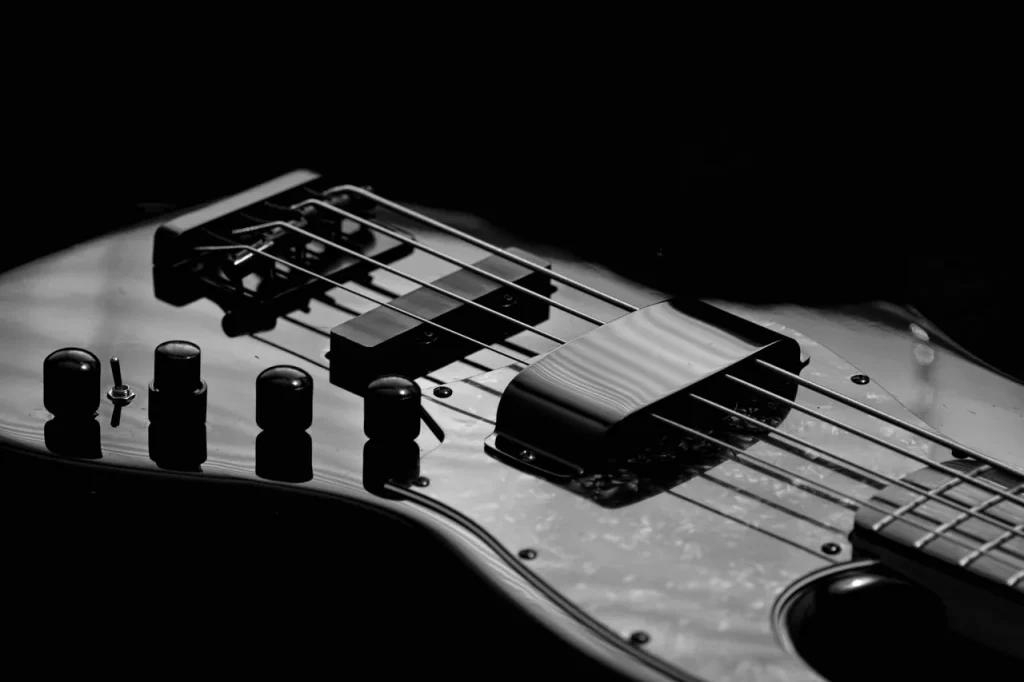
Learning bass guitar online has become easy and accessible. Beginners can readily find online bass lessons to improve their skills. With good resources and regular practice, you can learn to play in six months.
Bassists play a crucial role in bands: they give music depth and structure. Expert bass tips and bass tutorials help you progress quickly. Learning platforms offer exercises to build technique and develop a sense of rhythm.
For advice and help with your progress, visit this link. You will find resources and tips to support your learning.
Why learn bass guitar?
Bass guitar is an excellent choice if you want to start playing quickly. It is easier to learn than guitar or drums. With just four strings and straightforward tuning, beginners can soon grasp the basics.
Its focus on rhythm also helps you understand music better. That makes learning bass accessible to everyone.
Easier to learn than other instruments
Beginners often find bass less intimidating. With a little practice, they make quick progress. Its ease of learning is a major reason to choose it.
It also suits different musical genres, which appeals to many learners.
The bassist’s essential role in a band
The bassist’s role is crucial in a band. They keep the rhythm and connect the different parts of the music. The bassist is therefore one of the foundations of a song’s structure.
In funk, jazz and rock alike, a good bassist enriches the performance and plays in harmony with the other musicians.
| Bass model | Price (€) | Type |
|---|---|---|
| Ibanez GSR200 | 200 | Electric |
| Yamaha TRBX174 | 230 | Electric |
| Cort Action Bass | 210 | Electric |
| Epiphone Les Paul Special | 130 | Electric |
| Peavey Zodiac BXP | 160 (used) | Electric |
The best platforms for online bass lessons
Choosing the right platform for online bass lessons is essential for effective learning. Several options stand out, each with its own advantages.
Comparing available online bass lessons
Sites such as BassLicks, Bruno Tauzin and Ludovic offer tailored lessons. Here is an overview of these platforms’ main features:
| Platform | Lesson format | Price | Advantages |
|---|---|---|---|
| BassLicks | Video lessons | Flexible subscription options | Access to thousands of lessons and a learning community |
| Bruno Tauzin | Skype lessons | €45 per hour | Equipment reviews and free content |
| Ludovic | Online lessons | Included in the training program | Weekly lessons and exercises designed for beginners |
Advantages of video lessons over in-person lessons
Online music lessons, particularly video bass lessons, have many advantages.
- Flexible learning schedules that fit students’ needs.
- The ability to revisit lessons as often as needed to understand them better.
- Access to a wide range of resources and techniques for exploring different styles.
In-person lessons provide direct interaction and immediate feedback. Online lessons, however, are often more accessible and less expensive. They suit all skill levels and musical styles.

Learn bass guitar online: our tips
To learn bass quickly, you need effective learning strategies. Combining theory with practice is essential. Setting clear goals also helps you progress.
For example, learning a new song each week can be very motivating and help you improve your skills.
Strategies for making quick progress
Daily practice is essential. Bass apps such as Real Bass offer more than 100 lessons. They are a good way to practice regularly and track your progress.
Bass tutorials offer a more personalized approach that can also help you improve.
Using apps and tutorials
There are many ways to learn online. Sites such as iMusic-School offer lessons for everyone. Apps such as Ultimate Guitar and Guitar-Pro 5 and 6 provide many lessons and exercises.
These digital tools make learning more varied and accessible. They let you learn whenever you like.
| App | Features |
|---|---|
| Real Bass | 100 lessons, compatibility with all screen sizes, lag-free audio |
| Ultimate Guitar | Large song library, tablature creation tools |
| Guitar-Pro 5 and 6 | Notation software, MIDI tracking features |
Adding these tools to your routine will improve your chances of progressing as a bassist.
Bass guitar techniques to master
Learning bass guitar techniques is essential for any musician. Slap and fingerstyle play an important part in musical expression. Slap, often used in funk, creates powerful, energetic rhythms. Fingerstyle produces a softer, more melodic sound that suits a range of melodies.
Why slap and fingerstyle matter
Slap requires precise technique to produce its distinctive sound. It involves striking the strings with your hand to create a powerful tone. Fingerstyle involves plucking the strings with your fingers for a gentler sound. Learning both techniques is essential for progressing on bass.
Training your ear and sense of rhythm
Developing your musical ear is crucial as a bassist. You need to recognize notes and chords in different songs. Rhythm exercises improve accuracy and timing. Listening to varied music and using tools such as a metronome help you adapt to different styles.
Equipment you need to get started
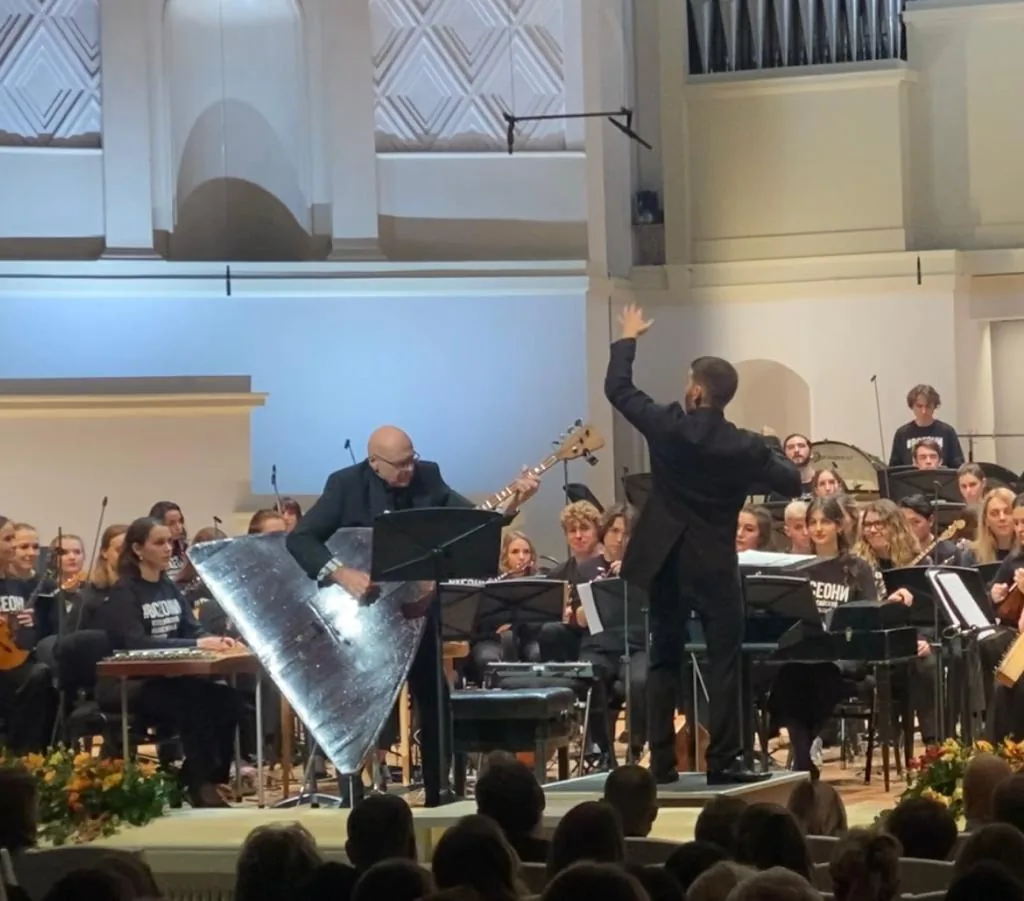
Having the right equipment is essential for beginners. First, you need to choose a bass guitar. That choice affects both your learning and your motivation.
Choosing your first bass guitar
A four-string model is ideal for beginners. Brands such as Yamaha, Ibanez and Cort offer affordable models priced between €200 and €400.
An amplifier costing less than €200 is enough to get started. For home use, look for one with 25 to 30 watts of power.
Tips for saving money on equipment
There are ways to save money when buying equipment. Shopping secondhand can pay off: you may find a quality bass at a lower price.
Affordable bass accessories include clip-on tuners and jack cables. These items are essential and inexpensive. Investing in a tuner, a metronome and picks at least 0.85 mm thick is sensible in the long run.
Bass exercises for effective progress
For any bassist who wants to improve, bass exercises are essential. Start with warm-ups and learn fingering techniques. These exercises improve dexterity and help prevent injuries.
It is best to begin with simple scales. They build a solid foundation before you move on to more complex techniques.
Warm-ups and fingering techniques
Warm-ups prepare your fingers to play. Spending a few minutes on them each day is highly beneficial. Your fingering exercises should involve every string.
It is important to work each finger independently. This improves the coordination you need to play well.
Rhythm and timing exercises
Rhythm practice is essential for bassists. A metronome helps you keep time and improve your timing as a bassist. Varied rhythm exercises, such as slap patterns, make practice more rewarding.
They also help you measure your progress. For effective learning, this site may be useful.

Songs for beginner bassists
When learning bass, it is essential to start with easy songs. This makes learning more enjoyable and motivating. Many popular songs, especially in rock and pop, suit beginners. They help build confidence and develop the technical skills needed to play bass on your own.
Easy songs for beginner bassists
Here is a selection of songs that are ideal for beginners:
| Song | Artist | Style |
|---|---|---|
| Seven Nation Army | The White Stripes | Rock |
| Smoke on the Water | Deep Purple | Rock |
| Billie Jean | Michael Jackson | Pop |
| Sunshine of Your Love | Cream | Rock |
Practicing with a group or on your own
Group practice is essential for making progress. Playing with other musicians develops your sense of rhythm and enriches your learning. Playing bass on your own also lets you explore your own repertoire and work on specific techniques.
Alternating between group and individual practice is beneficial. Add songs you love to your repertoire to make your sessions more enjoyable. To learn more about caring for your instrument, read this article on guitar care and maintenance.
Conclusion
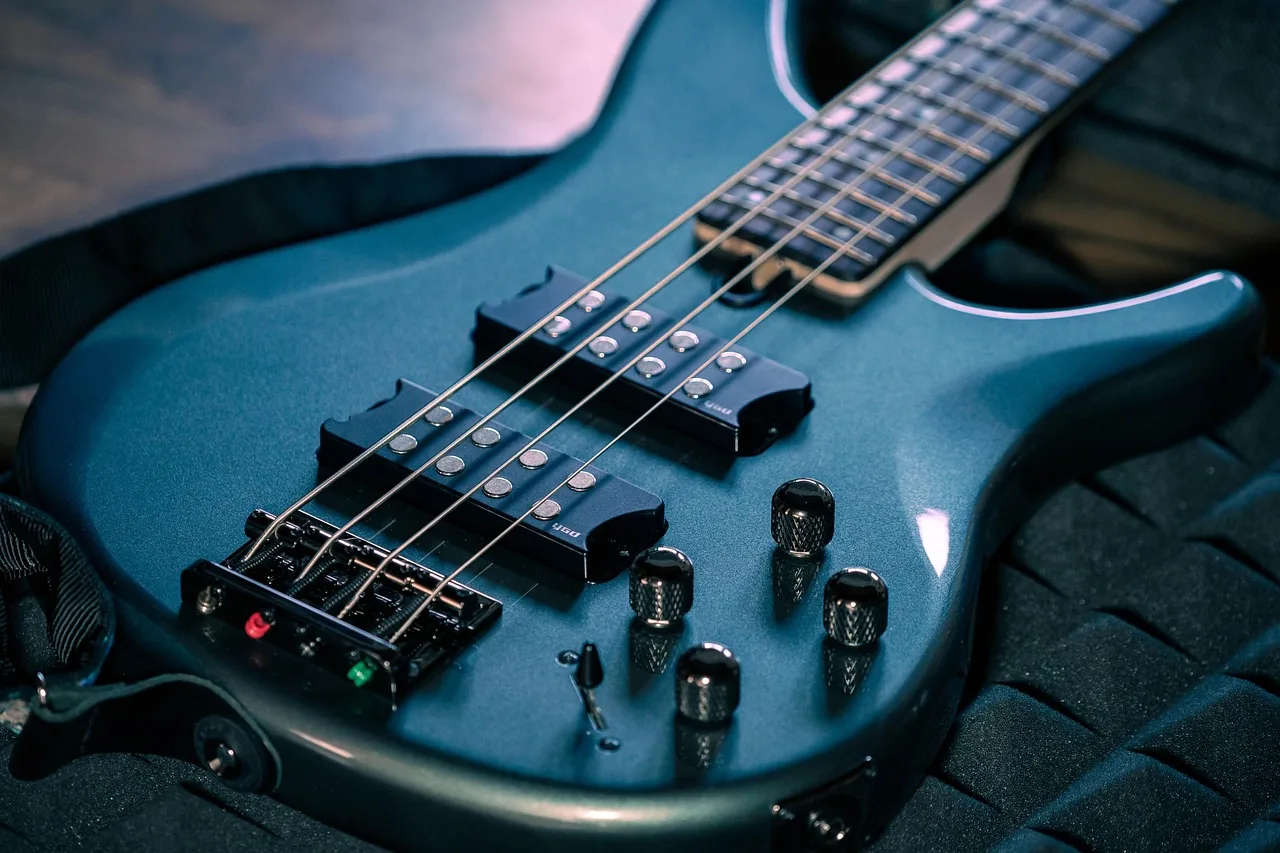
Bass is a fascinating instrument for beginner musicians. With just four strings, it is easier to learn than guitar. Beginners can progress quickly by playing simple bass lines.
Having the right equipment, including a suitable amplifier, is essential. Whether you choose online lessons or a teacher depends on your preferences. Teaching yourself takes discipline but can be very rewarding.
The key to success is regular practice and enjoying what you play. Bassists can keep improving by exploring new techniques and nurturing their passion for music.