
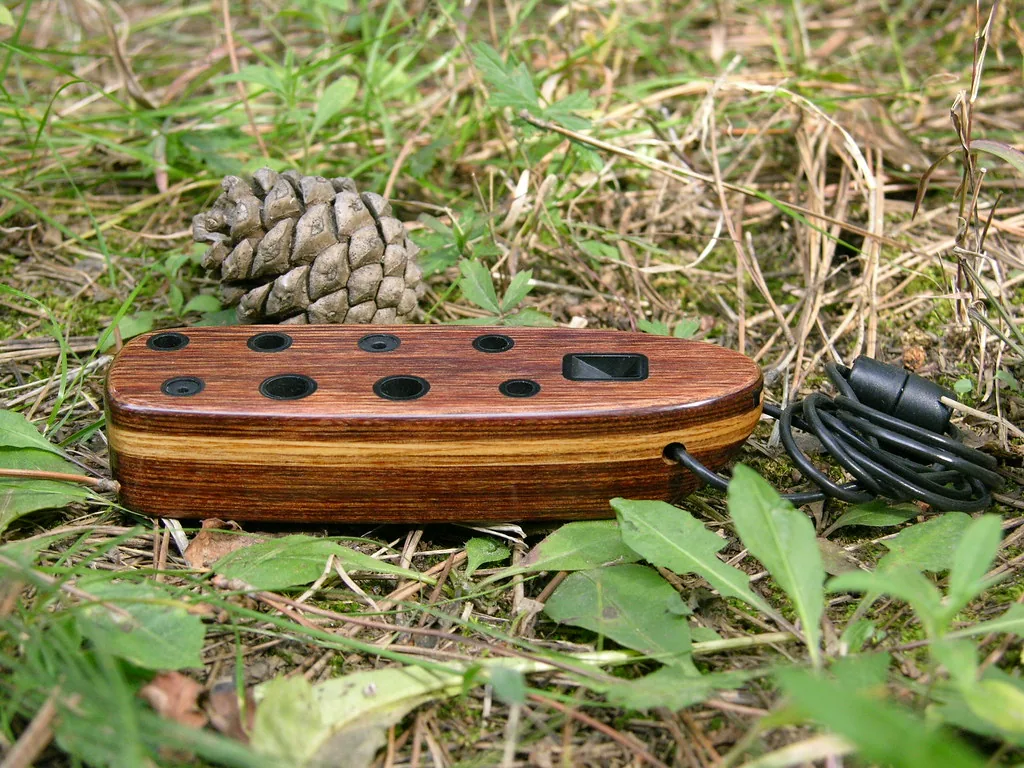
Discover how to approach this iconic theme with a gradual, accessible method. This guide breaks down the essential sheet music and explains basic fingerings for a low, expressive sound.
You will learn which setup is best for beginners, how to adapt the piece for a 6-hole ocarina, and how to read the music more easily so you can memorize it.
Step by step, we will show you how to use the song’s repeating structure to learn faster and gain confidence measure by measure.
The guide also offers advice on articulation, breathing, and adapting the arrangement to your level. For the recommended instrument, see this practical 6-hole ocarina in C major.
Context, equipment, and key: getting started
Before you play your first note, choose a suitable instrument and key to help you play in tune and progress quickly.
Which instrument should you choose?
- 12-hole ocarina in C: good range and stability. Ideal for beginners following instructional resources.
- 6-hole ocarina: easier to handle, though you may need to adapt a few notes in the melody.
- Double or triple ocarina: a wide range of sounds, but more complex fingering; consider one later.
| Instrument | Range | Ease of use | Recommended for |
|---|---|---|---|
| 12-hole ocarina in C | Wide | Easy | Beginners and full arrangements |
| 6-hole ocarina | Moderate | Very easy | Getting started quickly |
| Double or triple ocarina | Extended | Moderate | Advanced players |
Key and difficulty
The original key, shown in published tablatures, reinforces the song’s dark character. The difficulty of the arrangements depends on the version, ranging from easy to intermediate.
The song has two repeating sections; practise them separately to save time. For a practical instrument, try a 12-hole alto C model or a recommended 6-hole ocarina, whichever feels more comfortable.
Misty Mountains on the ocarina: easy tablature — step-by-step guide
Start with a steady posture, and check that each hole is fully covered before playing a phrase.
Finger position and finding the holes
Holding the instrument: cover each hole with the pad of your finger. Blow gently to check that the holes are sealed and the low notes are steady.
Close your eyes for a few seconds and find the holes without looking to memorize their positions.
Reading the main motif
Read the sheet music from left to right, isolate the main Misty Mountains motif, and mark where to breathe. Look for recurring intervals and key passages in the tablature.

Breathing, tempo, and articulation
Keep a steady tempo with a metronome, between 60 and 72 BPM, and breathe deeply to support long phrases.
“Use a gentle ‘doo’ attack to encourage legato playing and the theme’s dark tone.”
Putting the sections together and adding variations
Break the two repeating sections into shorter phrases. Repeat each segment 3 to 5 times, then join them together.
For a beginner arrangement, reduce the ornaments and glissandos. Keep the dynamics gentle on the second pass to maintain interest.
For the recommended instrument, try this practical model: 6-hole ocarina in C major.
Resources, versions, and the community around published tablatures
This section covers the available versions, how they are delivered, and their engagement figures.
A practical choice: TristanLaurens’s “The Hobbit – Misty Mountains Cold [STL Ocarina]” version (March 16, 2014) is for a 12-hole alto C ocarina. It has 8 likes and 8 comments and includes an audio bonus that helps you learn by ear.
STL version for 12 holes and electronic delivery
The STL store offers the sheet music by electronic delivery. There is no shipping charge. You can cancel before it is sent.
Note that orders are not sent on weekends or public holidays. Digital delivery lets you start practising right away.
Points, likes, and comments: take part
Community engagement figures can help you find the best arrangements. You need to log in or register to vote or leave a comment.
Listen to the YouTube bonus to check the phrasing and low notes: https://www.youtube.com/watch?v=1DHecFcDhbw
Other published versions and how to choose
The “Misty Mountains” page (Rinku, September 20, 2023) lists the original key and an easy difficulty level (1 like, 1 comment).
- Try several excerpts to assess how easy the music is to read and play.
- Look for versions with detailed feedback rather than relying on scores alone.
- Check that they suit your instrument (12-hole, 6-hole, or double).
| Version | Key and number of holes | Level | Engagement |
|---|---|---|---|
| TristanLaurens (STL) | Alto C, 12 holes | Intermediate | 8 likes, 8 comments |
| Rinku | Original key, varying number of holes | Easy | 1 like, 1 comment |
| Other contributors | Lower-pitched variations and adaptations | Easy to advanced | Various reviews |
For a recommended 6-hole instrument, see this practical 6-hole ocarina. Then share your opinion in a constructive comment.
Conclusion
You now have a practical plan for learning this theme step by step.
Focus on finger position, fully covering the holes, and breathing from your diaphragm. These three elements help produce a low, singing, steady sound.
Work on one section at a time, then connect the segments while keeping a controlled tempo. Add dynamic variation and a little vibrato once your intonation is steady.
Use reliable resources (12-hole ocarina arrangements in C and electronically delivered sheet music), and read community feedback before choosing a version.
Suggested routine: 10 to 15 minutes a day, alternating slow metronome practice with active listening to reference recordings.