
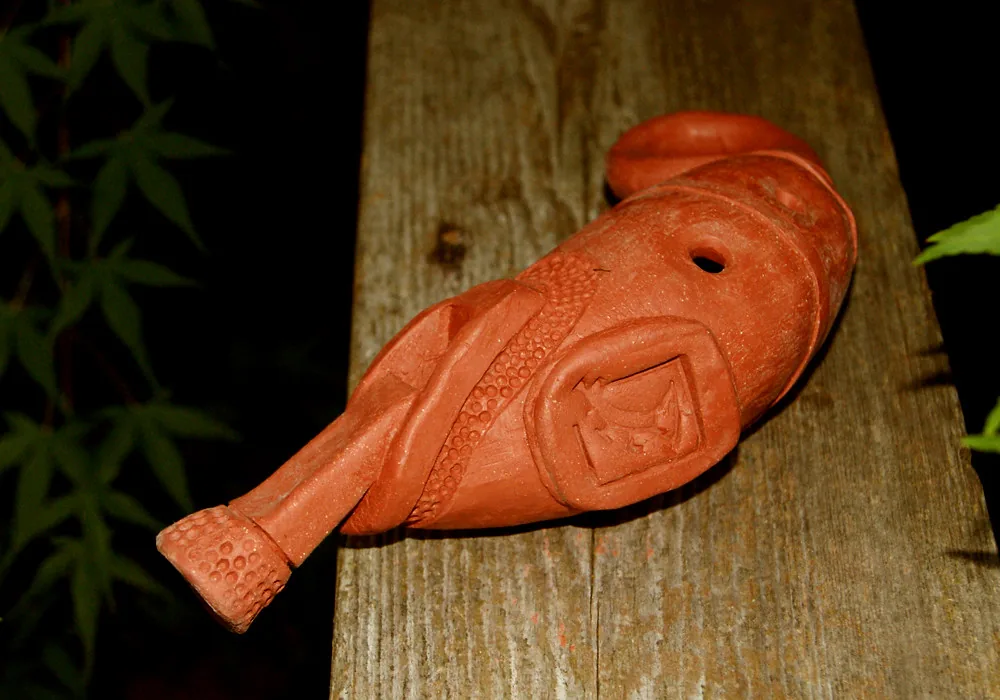
Welcome to this guide to a small, simple, compact instrument for beginners.
This short article aims to help beginners produce notes in tune quickly, learn their first fingerings and play easy tunes within one octave.
Four-hole models offer about eight notes. They are ideal for learning breath control, adopting good posture and developing your ear before moving on to a six- or twelve-hole model.
Here you will learn why to choose this format, how the number of holes affects its range, and what to look for when buying in France so you avoid poorly tuned instruments.
For tips and learning resources to get started, see our practical guide to learning to play easily.
Why choose a 4-hole ocarina as a beginner?
This very compact format helps students produce notes in tune from their first few minutes of playing.
What a four-hole model offers:
It generally provides up to 8 notes within a single octave. The holes are on top and are covered with the index and middle fingers.
Who is it for?
- Children and introductory music workshops: small size and few movements to remember.
- Teachers: a simple tool for working on breath control and pitch.
- Curious adults: a light, portable instrument.
This format encourages control of the airflow, listening for intervals and keeping notes in tune across a limited range.
You can already work on rhythm, breathing and musical expression. The cost remains low if you choose an instrument that is well tuned.
Limitations: the repertoire is restricted. Depending on your musical goals, it may make sense to move to a six-hole model fairly soon.
Understanding holes, range and the tuning of a wind instrument
The number of openings directly affects the range of sounds available.
How the number of holes relates to the notes: more holes generally provide more chromatic notes and a wider range. For example, a four-hole model offers about 8 notes. A six-hole model using the John Taylor fingering system developed in the 1960s can produce up to 17 notes (10 natural and 7 altered). An eight-hole model can reach 18 notes. A twelve-hole transverse ocarina offers about 21 to 22 notes.
Fingering patterns: six-hole instruments require you to memorize patterns. The twelve-hole transverse model follows a more intuitive progression, which can help beginners who want to advance quickly.

Pitch ranges and their effects
The pitch range affects tone and price. Soprano: high and bright. Alto (often labeled Alto C or Tenor in C): a good middle ground. Bass: lower pitched and more expensive.
| Configuration | Approximate number of notes | Recommended use |
|---|---|---|
| 4 holes | About 8 | First steps, compact size |
| 6 holes | About 17 | Simple repertoire, dedicated fingering system |
| 12-hole transverse | 21 to 22 | Smooth progression, more chromatic notes |
Recommended key: C for beginners. Other possibilities include G, F, D and B-flat. Always check an instrument’s actual tuning and stability before buying. Airflow and breath pressure affect pitch, especially on high notes.
For practical advice on tuning, see our guide on how to tune an ocarina.
4-Hole Ocarina: First Steps and Songs
Start by holding the instrument so you can keep the sound steady and avoid tension. Both hands support the instrument; your lips surround the mouthpiece without tightening. Relaxed shoulders, a straight back and an aligned neck make diaphragmatic breathing easier.
To work on your breath: begin gently, then increase the pressure until the note is in tune. Avoid blowing too hard on high notes to keep the tone clear.
Basic fingerings: cover every hole for the lowest note, then lift your fingers gradually. The index and middle fingers cover the holes on top. On a four-hole fingering chart, black circles indicate covered holes and white circles indicate open ones, from left to right.
Suggested warm-up: play ascending and descending scales across the octave, first in quarter notes and then in eighth notes, with a slow metronome.
- Practice plan: 10 minutes on breath control and sustained notes, 10 minutes on fingerings and scales, and 10 minutes on a melody.
- Easy tunes: Frère Jacques, Au clair de la lune and Ode to Joy (excerpts within the octave).
- Tip: record your attempts so you can correct your intonation and note attacks.
Moving from 4 holes to 6 or 12: when and why
Once you are comfortable playing one octave, you can consider the next step. Your progress depends on three things: breath control, steady rhythm and accurate pitch.
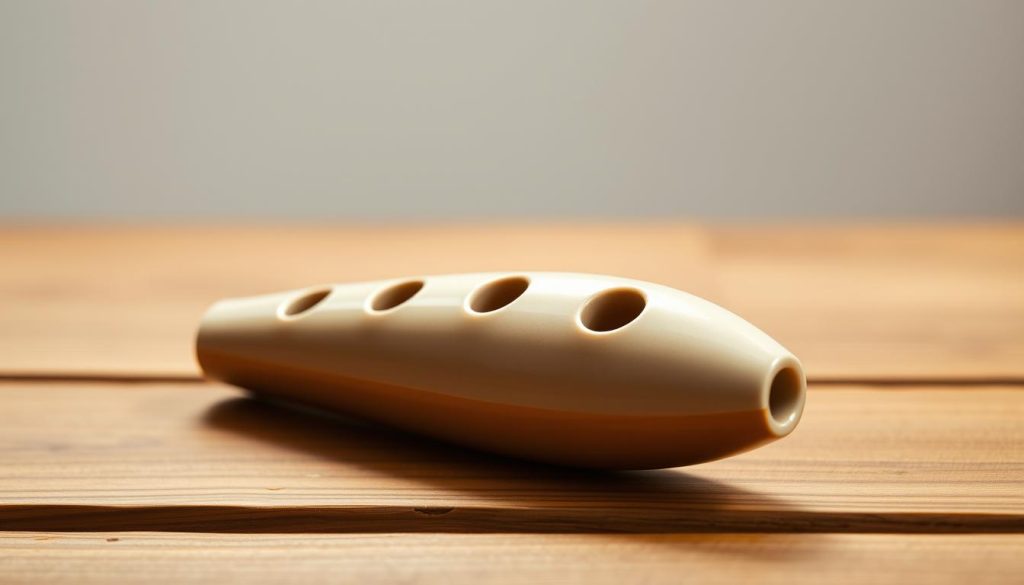
6 holes (John Taylor fingering system): this step expands the range of available sounds. It offers up to 17 notes (10 natural and 7 altered). The instrument remains compact, but its fingerings are less intuitive and take practice to learn.
12-hole transverse: this model offers more possibilities, with about 21 to 22 notes. Its fingerings follow a progressive pattern. For beginners, it makes more repertoire and tablature accessible.
- 6 holes = easy to carry and a wider range of notes.
- 12 holes = greater range, more even tone and a smooth learning path.
- 8 holes = a middle option for players who want more notes without too much complexity.
“If possible, try both formats to compare how they feel in your hands and how they respond to your breath.”
Suggested plan: keep a regular practice routine, then move to the model that fits your goals. To review the options before buying, see our guide to how many holes to choose.
Choosing a model: materials, makers and budget in France
Before buying, compare materials, tuning and the maker’s reputation.
Ceramic or plastic:
Ceramic produces a rich, precise tone but is fragile during transport.
Plastic is sturdy, light and practical for travel or children.
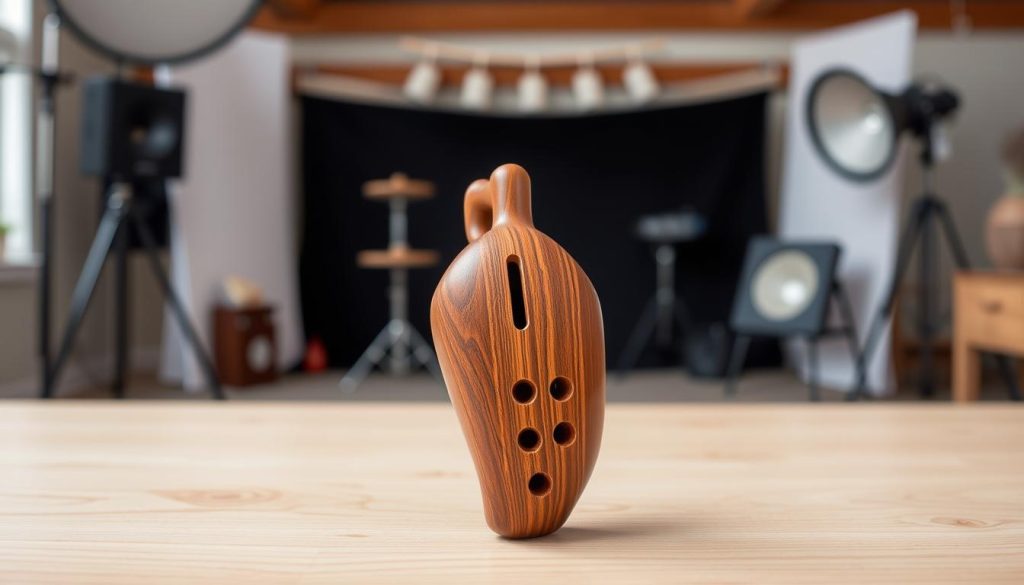
Where to buy with confidence
Choose specialist shops in France or elsewhere in Europe. Be cautious on Amazon, Wish and AliExpress: many instruments sold there are poorly tuned.
Ocarina World distributes Stein/Focalink (good value: around €42 to €60 for an alto in C). Musique de Terre offers handmade French instruments by Olivier Gosselink.
Makers and practical advice
STL, Songbird and Spencer, as well as Dinda on Etsy, offer varied options; account for delivery times and shipping costs.
| Criterion | Advantage | Recommendation |
|---|---|---|
| Material | Ceramic = tone; plastic = durability | Choose according to use (studio or travel) |
| Budget | €42 to €60 for a dependable alto in C | Allow for shipping and customs charges when importing |
| Maker | Handmade = character; factory-made = consistency | Test the tuning before buying |
Useful resources for improving and finding sheet music
This list brings together channels, tools and platforms for working on breath control, fingerings and repertoire.
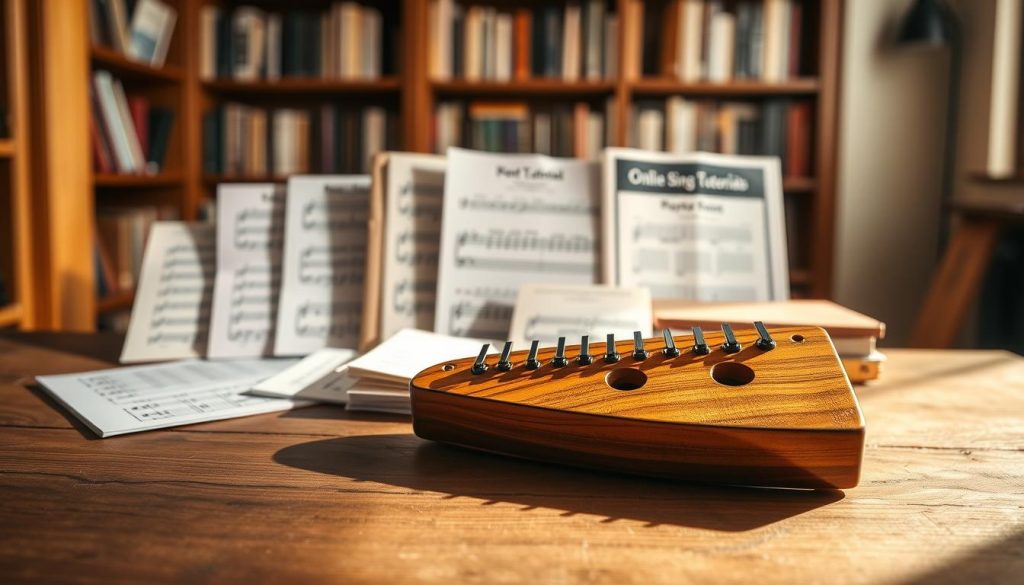
Channels to follow: OCTalk, Gina Luciani and Tristan Laurens. STL Ocarina offers more than 300 instructional videos for all levels.
Tablature tools: Part’Ocarina lets you create or search for tablature, including for four-hole ocarinas. For free sheet music, see free tablature as well.
| Resource | Use | Advantage |
|---|---|---|
| YouTube channels | Technique, repertoire | Visual demonstrations, guided progress |
| Part’Ocarina | Creating tablature | Suitable for formats with 4 or more holes |
| Brands & recordings | Comparing tones | Choosing a key before buying |
| Communities | Forums, groups | Advice from other players |
Practical tips: practicing for 20 to 30 minutes each day helps you progress more than an occasional long session. Use a metronome and a tuning app to steady your rhythm and pitch. Listen to piano recordings to recognize notes more easily, then transpose if needed. Joining an online group can speed up learning through shared experience.
Conclusion
In summary, this guide covers the essentials for getting started with this small wind instrument. A four-hole model gives you about 8 notes, making it suitable for early music learning and mastering one octave.
To go further, moving to a six- or twelve-hole model can give you more notes and a wider repertoire, depending on your goals. Choose the pitch range and key (C is recommended) with an emphasis on accurate tuning and build quality.
To avoid disappointment, choose specialist makers and shops. If you want to learn more about reading tablature, see our guide to reading ocarina tablature.
Practical tip: establish a regular practice schedule, strengthen your playing before expanding your range, and return to this article to track your progress.