
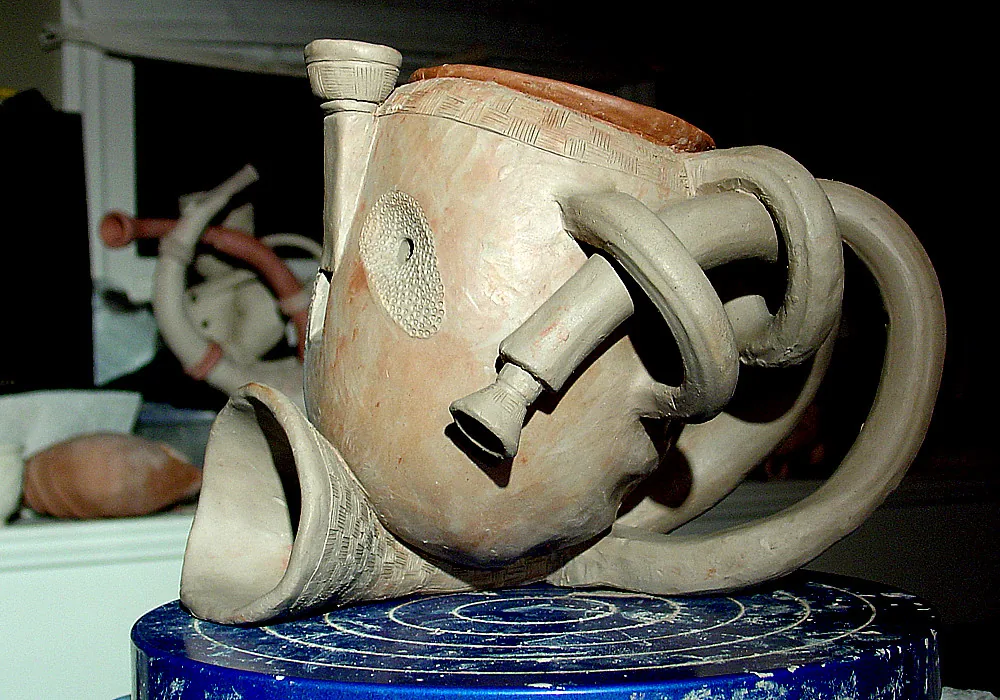
Welcome: this article offers a clear, practical overview of the 10-hole ocarina. It gives you concrete advice to help you start playing quickly.
Who is it for? Beginners, self-taught players and curious musicians who want to put theory into practice without unnecessary jargon.
What you will learn: how to position your hands, read fingering diagrams and understand the essential notation needed to play your first notes and songs.
The method follows a simple progression: choosing an instrument, learning essential fingerings, reading tablature and sheet music, working through exercises, then finding resources to take you further.
By reading this guide, you will save time, avoid common mistakes and know where to find reliable materials. To learn more about reading tablature, see this practical guide: reading ocarina tablature.
Start playing the 10-hole ocarina today
There is no need to wait: here is how to get started right away and produce steady sounds.
What is this instrument? It is a small wind instrument that is easy to pick up. It produces clear notes without complicated equipment and suits people discovering wind instruments.
Minimum equipment: an instrument, a source of simple tablature or sheet music, and a quiet place to practise for a few minutes each day.
“Start with long notes and a steady breath: stability comes before speed.”
Holding the instrument correctly from the outset helps you produce a steady sound. Control your breath, rest your fingers on the holes without pressing hard, and keep your shoulders relaxed.
To keep time without a metronome, count “one, two” quietly or tap your knee lightly. This simple action helps you move between notes evenly.
- Warm-up: 2 minutes of controlled breathing.
- Long notes: 4 minutes; play each note 5 to 6 times.
- Note sequences: 3 minutes; play a short melody to reinforce the movements.
| Item | Purpose | Quick tip |
|---|---|---|
| Instrument | Produce notes | Hold it loosely and blow gently |
| Sheet music source | Provide a guide for playing | Choose simple melodies |
| Quiet space | Help you concentrate | Practise for 5 to 10 minutes per session |
Choose and understand your wind instrument
To choose the right instrument, start by understanding its physical features and range.
Number of holes, material and ergonomics
A ten-hole model is easy to hold and has enough range for a beginner. Its compact shape helps keep your hands relaxed. Your left hand stays at the top and your right hand goes below to steady the instrument.
Common keys and their effect on fingering
The keys of C, F and G change the note produced by the same fingering pattern. Check the key before buying sheet music. A ceramic instrument offers stable intonation and a warm tone.
A specific example and purchase terms
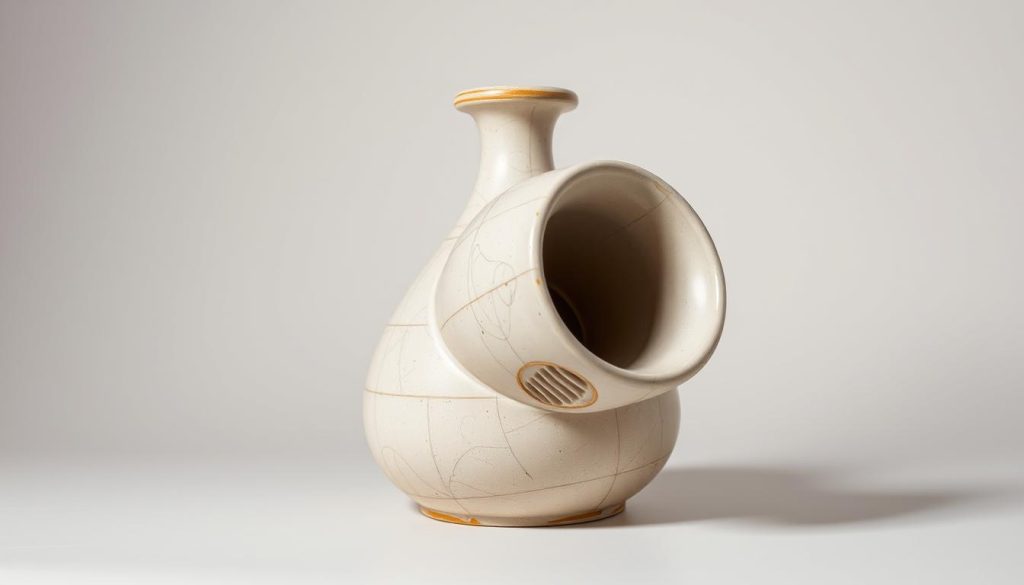
Example: a 10-hole ceramic model in G major, with a double hole for C and C-sharp, a length of 120 mm, and a black and brown finish. Supplied with a 64-page manual in English and German and a padded case. Item number 213540, Thomann brand.
“30-day money-back guarantee and a three-year warranty so you can try it with confidence.”
| Feature | Detail | Benefit |
|---|---|---|
| Number of holes | 10 | Range and comfort |
| Material | Ceramic | Warm tone and good projection |
| Warranty | 3 years; 30-day money-back guarantee | Try it with confidence |
To compare other models and choose one suited to your level, see this practical guide: which ocarina to choose.
10-hole ocarina: fingering and useful sheet music
Positioning your hands correctly speeds up learning and improves note accuracy. Place your left hand at the top and your right hand below to balance the instrument.
Tip: your left and right thumbs should cover the rear holes. They steady the instrument and prevent air leaks.
Build your own fingering chart
Create a personal chart that pairs each note with a pattern of covered holes. This visual reference makes it easier to remember fingerings and move between them.
| Note | Covered-hole pattern | Quick tip |
|---|---|---|
| C | XXXXX, all covered | Cover the rear holes completely |
| C-sharp | XXXXX, partially covered | Uncover the double hole slightly |
| G | XXX00 | Blow moderately to keep the sound steady |
Breath, phrasing and common mistakes
Work on short connected phrases first. Keep the airflow steady and articulate lightly when changing notes to avoid abrupt sounds.
“Controlled breathing is better than rushing: accurate pitch comes with calm practice.”
- Check that each finger fully covers its hole.
- Relax your wrist to make movements smoother.
- Count the beats on sustained notes to keep the rhythm.
Read and use ocarina tablature and sheet music
Mastering note lengths and breathing marks lets you make measurable progress. Here, you will learn to interpret visual fingering diagrams and rhythmic symbols so you can play with confidence.
Simple tablature: reading order, note lengths and breaths
Read the system from left to right and top to bottom. Black holes indicate covered holes; white ones indicate open holes.
Dashes extend a note to two or four beats. Parentheses and multipliers indicate repetitions.
Adapted standard notation: clefs, note values and rests
Sheet music in treble clef shows pitch and rhythm. Note values such as quarter notes, eighth notes and sixteenth notes, along with rests, shape the phrasing.
Repeat signs bracket a passage to be played again, dots lengthen a note, and triplets change the rhythmic grouping.
Hybrid formats and key
A hybrid format places a small fingering chart above the staff. It helps connect what you read with what your fingers do.
Pay attention to the key: tablature written for an instrument in C cannot be played unchanged on a model in G. Transposition changes the fingerings and the resulting pitch.
- Look for breathing marks shown by braces or vertical lines.
- Use the dashes in diagrams to manage note lengths.
- Practise with simple examples before moving on to complex pieces.
| Symbol | Use | Tip |
|---|---|---|
| Dashes | Extend the note | Count the beats |
| Parentheses | Repetitions | Play slowly, then increase the speed |
| Braces | Continuous breath | Breathe after the group |
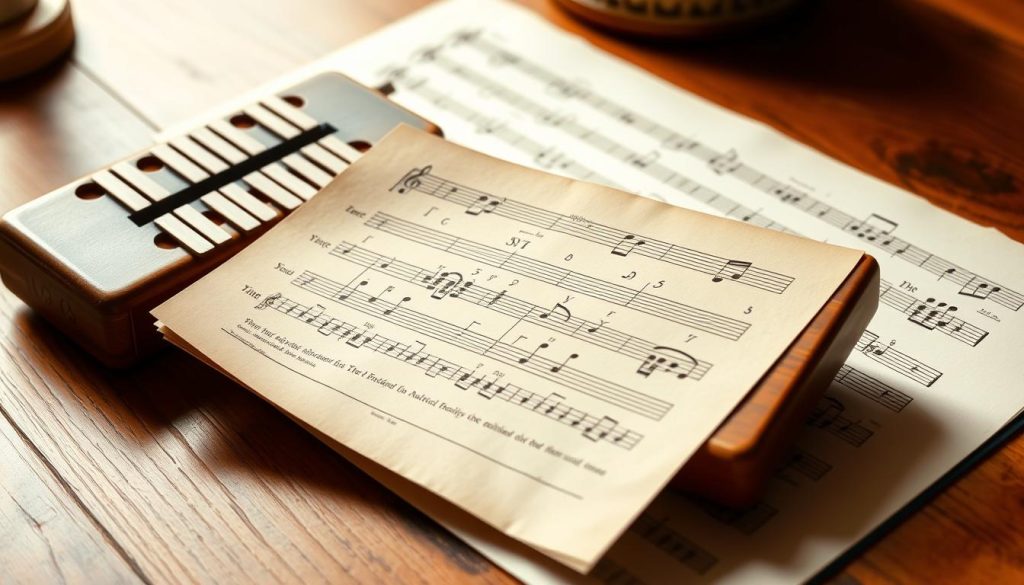
To learn more about reading music, see this practical guide: reading ocarina tablature.
Progressive exercises and useful pieces to practise
Begin with short, progressive exercises to steady your breath and finger placement. The “10 holes — Very easy” scale, created on 22 May 2024, is a practical resource. It comes in 10-hole, 12-hole, Double and Triple versions. It had no comments when consulted.
Starting scale: play the notes ascending and then descending while counting the beats. This exercise helps develop steady breathing and good finger placement.
Short pieces for beginners
Practise phrases one or two lines long. Alternate quarter notes and eighth notes. Breathe at the right moments to avoid breaks in the sound.
Example sequence: four long notes, four short notes, then one controlled breath. Repeat the sequence at a slightly lower volume.
A three-part routine
- Warm-up: practise breathing and embouchure for 2 to 3 minutes.
- Slow fingerings: work on your left hand, then your right, concentrating on accurate pitch.
- Combined reading: use tablature and the staff, slowly at first, then at a steady tempo.
“Practise each exercise two or three times: slowly at first, then a little faster.”
| Goal | Duration | Routine | Tip |
|---|---|---|---|
| Very easy scale | 5 minutes | Play the notes ascending and descending | Count the beats evenly |
| Short pieces | 7 minutes | Quarter notes and eighth notes | Breathe during the rests |
| Combined reading | 8 minutes | Tablature and staff | Review the left hand, then the right |
Recommended resources and equipment to save time
Choose an instrument sold with a case and booklet so you can start comfortably. This saves you from extra purchases and makes the instrument easier to use as soon as it arrives.
Models available in France and the EU: key, size and comfort
Look for models available in France or the EU to avoid import delays. A ceramic instrument around 120 mm long and in G major is a good compromise for beginners.
A specific example: a 10-hole ceramic model with a double hole for C and C-sharp, a 64-page manual in English and German, a padded case, and item number 213540 at Thomann. Available immediately, with a 30-day money-back policy and a three-year warranty.
Included manuals and booklets: learn faster
A 64-page booklet helps you become independent more quickly. It provides diagrams, exercises and care advice that can extend the life of the instrument.
Choose models supplied with clear instructions on use, the accidentals produced with the double hole for C and C-sharp, and instrument care.
“Choosing a complete instrument makes the first steps easier and lets you focus on playing.”
- Availability in the EU: check the key, the approximate 120 mm length and whether a padded carrying case is included.
- Included booklet: a 64-page manual is recommended for getting started quickly.
- Purchase terms: immediate availability, a 30-day money-back policy and a three-year warranty.
- Budget: approximately €24.90 to €119, depending on the finish and accessories.
| Criterion | Example or value | Benefit |
|---|---|---|
| Key | G major | A good balance for popular pieces |
| Dimensions | Approximately 120 mm | Comfortable for most hands |
| Accessories | 64-page manual and case | Faster independent learning and protection |
| Terms | 30-day money-back policy and three-year warranty | Try it at home with confidence |
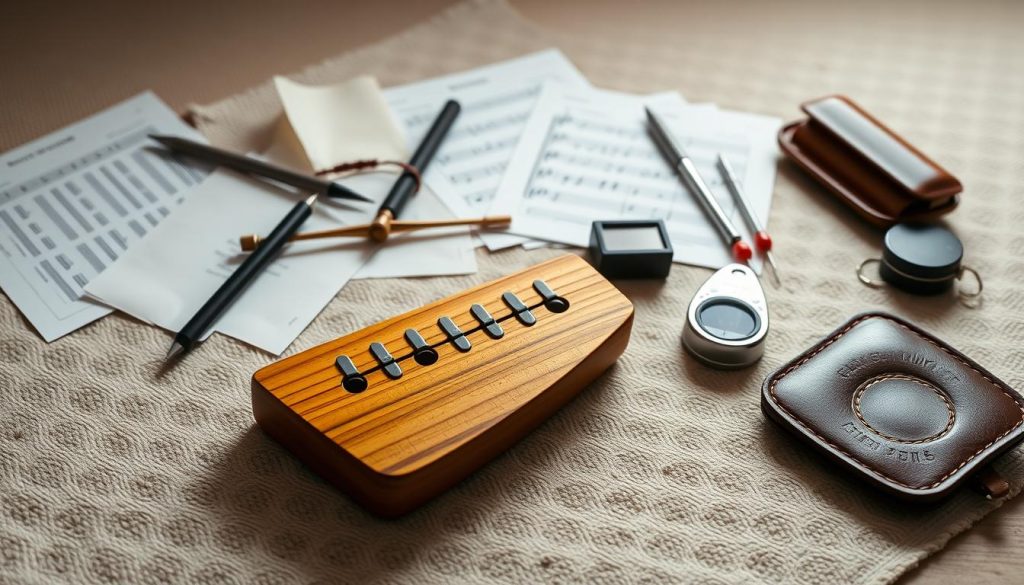
To find suitable sheet music and a step-by-step guide, see this practical resource: Zelda’s Lullaby.
Conclusion
In conclusion: this article sums up the key steps for choosing a suitable instrument, positioning your hands correctly, and reading simple tablature and sheet music.
With a few minutes of practice each day, you can turn individual notes into musical phrases. Practise fingerings slowly, keep your breath steady and repeat short sequences.
Keep a quick reference chart matching holes to notes, the reading rules and a list of resources. To continue practising, start with a simple example, play it two or three times while counting the beats, then vary the exercise at the end of the session.
Next step: if you would like step-by-step advice, see this guide to getting started: learn to play.