
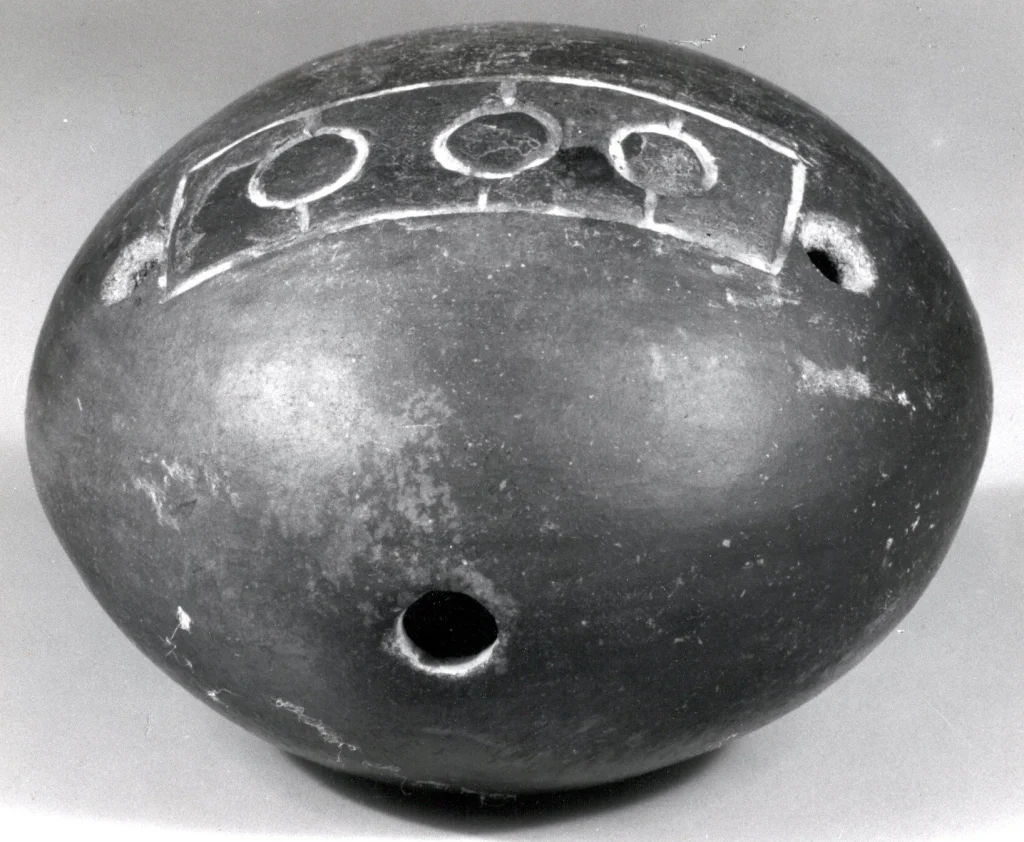
Goal: this guide offers a step-by-step path to choosing a good instrument and structuring your practice from today.
The ocarina is ideal for beginners. With a short, regular routine, you can play simple melodies within a few weeks.
The basics include posture, diaphragmatic breathing, and breath control. These fundamentals provide a solid foundation for making progress.
This guide explains the progression from visual tablature to hybrid versions and then standard sheet music. You will find useful tools such as OcarinaTabs.org, MuseScore, STL Ocarina, and Part’Ocarina, as well as communities such as OCTalk and FolkFriends where you can get feedback.
What to expect: structured, practical learning that fits a busy schedule and keeps you motivated through realistic goals.
Why choose this wind instrument today
This instrument appeals to beginners because it is easy to pick up and compact. Natural breathing is enough to produce a pleasant sound, which helps newcomers feel at ease.
Quick to learn: even without reading music, visual tablature helps beginners. Many play their first melodies within a few weeks, which keeps them motivated.
Plastic or ceramic: sound, durability, and budget
Ceramic offers a warm, deep tone but is fragile. Plastic is light, sturdy, and more affordable for trying the instrument.
Watch for condensation in plastic models; they are still easy to maintain. The right choice depends on your budget and whether you want to upgrade later.
- Advantages: compact size, quick sound production, and visible progress within a few weeks.
- Cognitive benefits: better hand-eye coordination and greater focus through short practice sessions.
- Who can play: children, teenagers, and adults can all find this instrument accessible.
Its long history and renewed popularity, thanks to video game themes, make it an appealing choice. Start with a sturdy model, try it out, and then move on to better-quality models.
Choose the right ocarina to get started without frustration
Choosing the right model prevents a lot of frustration. Consider comfort, range, and the music you want to play. With a suitable instrument, progress becomes faster and more enjoyable.
Transverse or pendant: handling and number of holes
A transverse ocarina is held horizontally. It usually has 10 to 12 holes, offers precise control, and has a wide range.
A pendant ocarina has 4 to 6 holes; it is compact and well suited to children or anyone who wants to try the instrument.
Registers: soprano, alto, or bass for your level
A soprano has a high sound and requires less air, but it is sensitive to changes in breath pressure.
An alto in C is versatile and balanced, making it a recommended first model.
A bass has a rich tone but requires more breath.
Check tuning quality and precision
Avoid poorly tuned copies, which can undermine motivation. Look for established brands such as STL Ocarina, Songbird, Night by Noble, or Hindocarina.
Check the quality of the airway, the clean edge of the mouthpiece, and the finish of the holes. Try the instrument and make sure your fingers cover the holes comfortably.
Build a strong foundation: posture, breathing, and airflow
Good posture makes your breath a precise tool. Adopt the “tree” position: feet firmly planted, spine aligned, and shoulders relaxed. This stability frees the column of air and supports an even breath.
Diaphragmatic breathing and airflow control
Breathe in through your nose, letting your abdomen expand, then exhale slowly. This technique improves the steadiness of your breath and helps you sustain notes.
Practice for five minutes a day: first work on an even breath, then on long notes. Accurate pitch depends on a steady flow of air; too much pressure makes high notes shrill, while too little breath weakens low notes.
The “tree” position, mouthpiece, and preventing whistles
Rest your lips gently on the mouthpiece without letting air escape. Avoid pressing too hard: excessive pressure causes whistles and fatigue.
Try a simple exercise: blow toward a candle so the flame flickers without going out. This helps you adjust the pressure and avoid blowing too hard.
Watch yourself in a mirror: keep your shoulders and jaw relaxed. Work on even airflow first, then gradually introduce diaphragmatic vibrato to make your playing more expressive.

Fingerings and holes: play your first notes
Understanding the layout of the holes makes it easier to produce your first sounds. Four-, six-, and twelve-hole systems increase in complexity. A four-hole model using the Taylor system is ideal for starting out. A six-hole model lets you play more scales. A twelve-hole model spans several octaves and supports a wider repertoire.
Numbering, orientation, and finger placement
Diagrams often number holes from 1 to 6 or 1 to 12, reading from top to bottom or left to right. Read them like a map: filled circles show closed holes, and empty circles show open holes.
“Covering every hole completely prevents leaks and improves tuning.”
- Technique tip: keep your fingers flat rather than arched.
- Pair numbers with colors to help memorize fingerings.
- Practice with each hand separately, then with both hands together.
| Type | Complexity | Advantage | Use |
|---|---|---|---|
| 4 holes | Low | Very simple | First steps, short melodies |
| 6 holes | Medium | More varied scales | Folk repertoire |
| 12 holes | High | More octaves | Longer pieces, transposition |
Exercise: lift and lower your fingers slowly, keeping them close to the holes to avoid tapping sounds. Record yourself for 30 seconds to spot air leaks and check your tuning.
Scales, sequences, and the metronome: build your practice routine
A metronome set to 60 BPM turns unstructured practice into steady training. The goal is to play the C major scale consistently and develop a sense of rhythm.

Follow this sequence step by step: ascend the scale by opening one hole at a time, give every note the same duration, then descend by closing the holes in reverse order.
Add octave practice: play a note, then the same note one octave higher. This exercise develops breath and fingering adjustments for better intonation.
Alternate articulations: play a series of notes legato, then the same series staccato. This improves the attack, clarity, and precision of transitions.
- Structure: 10 minutes of scales at 60 BPM and 5 minutes of focused exercises (octaves, speed), for a suggested total of 15 minutes a day.
- Progression: increase the speed only when the beat and notes are steady.
- Tracking: record the tempos you reach and any difficult passages to follow your progress.
Breathe between groups of notes to maintain airflow and sound quality. After a month, introduce gentle vibrato to enrich your expression.
“Practice regularly in short, focused sessions: speed will follow with a sound method.”
Read ocarina tablature and sheet music
Tablature symbols guide you as you learn your first tunes. Start by checking the reading direction: top to bottom, then left to right, depending on the diagram.
Visual tablature: holes, duration, and repeats
Filled circles indicate covered holes; empty circles indicate open holes. Dashes extend the duration of notes. Multipliers indicate repeats.
Braces mark a phrase played in one breath. Always check the key before playing.
Standard sheet music and hybrid versions
Sheet music: clefs, note values, and accidentals provide rhythmic precision. They make it easier to play with other musicians.
Hybrid versions add a fingering diagram above each note, helping you memorize positions quickly.
Adapt the key and use the right tools
Check the instrument’s range (soprano, alto, or bass) and transpose if needed. A model in C works with most learning methods.
Use MuseScore to transpose, OcarinaTabs.org to find tablature, and Part’Ocarina to create your own diagrams.
| Element | Use | Advantage |
|---|---|---|
| Visual tablature | Quick reading | Easy memorization |
| Standard sheet music | Rhythmic precision | Playing with other musicians |
| Hybrid version | Learning | Moving from tablature to sheet music |
Tip: start with simple tablature, move on to hybrid versions, then to sheet music. Practice sight-reading with a metronome to master rhythm. For more examples and advice, see this practical guide.
Advanced techniques to make faster progress
Mastering a few advanced techniques can speed up your musical progress. This section covers breath control, precision in your attacks, and coordination between your hands and voice.
Diaphragmatic vibrato, legato, and staccato
Vibrato comes from the diaphragm, not the throat: breathe in through your nose and gently vary the flow of air. Keep the effect controlled and warm.
Alternate short legato and staccato exercises to improve your attack and the clarity of each phrase.

Practice session plan
A simple structure: 10 minutes of warm-up (breathing, scales), 15 minutes of guided improvisation, and 5 minutes on a piece. Work on one rhythmic pattern in each session.
Measure your progress
Record yourself regularly to assess your phrasing and intonation. Use a tuner such as OcarinaTuner to check each note.
“Increase speed in stages: build precision before playing faster.”
- Coordination: practice with each hand separately, then with both together, keeping your fingers close to the holes.
- Speed: raise the tempo in stages and relax your muscles.
- Adjust the intensity to your level and vary the styles you play to stay motivated.
To learn more about reading diagrams and following a method, see this tablature guide.
Common beginner mistakes and practical solutions
Many beginners lose precision because of details that are easy to correct. This short guide helps you identify problems and fix them quickly.
Intonation, overblowing, and air leaks: quick checks
Overblowing: high notes become distorted or shrill. Reduce the flow of air and practice the candle exercise: make the flame flicker without blowing it out.
Leaks: these cause whistles or unstable notes. Make sure your fingers seal the holes and adjust your mouth position.
- Intonation: use OcarinaTuner to check each note and adjust your breath and fingering.
- Finger noise: lift and lower your fingers about 1 cm above the holes to avoid tapping sounds.
- Posture: quickly check that your spine is straight, your shoulders relaxed, your lips flexible on the mouthpiece, and your breath steady.
- Planned breaths: take them between phrases to preserve rhythmic accuracy.
- Practice exercise: slowly repeat a five-note sequence with a metronome to steady your transitions and attacks.
“Practice slowly, one note at a time, then raise the tempo in stages.”
Instrument quality: avoid poorly tuned copies and choose an established brand for reliable intonation.
Maintain and protect your instrument
A small routine after each session protects sound quality and helps prevent damage.
After every session, wipe the instrument with a soft cloth to remove residual moisture. This simple step protects its finish and tone.
Adapt care to the model. Let ceramic instruments dry naturally in the open air, away from sunlight. For plastic models, wipe away condensation and use a cotton swab to clean the holes without damaging their edges.
- Weekly cleaning: brief bursts of compressed air remove dust inside, without excessive pressure.
- Avoid immersion: never submerge the instrument in water; clean its surface carefully instead.
- Transport: use a hard case (Pelican or Noblex) to prevent knocks and breakage.
- Humidity: put desiccant packets in the case and avoid very humid rooms.
- Temperature: do not leave the instrument in places with extreme temperatures; 15 to 25 °C is ideal.
Check regularly for air leaks so you can spot hairline cracks and act quickly. Check the warranty and after-sales support when making your initial choice; this will make repairs and replacements easier.
“Regular care suited to the model extends the instrument’s life and preserves its sound.”
Online case study: “Zelda’s Lullaby” and simple melodies
A case study lets you apply reading, breathing, and fingering to a real piece. Use “Zelda’s Lullaby” to strengthen your tablature reading and timing.
Read the sequence, practice with a metronome, and join the phrases
Start by reading the visual sequence. For example: 4‑2‑1‑2‑4 for a sample pattern. Read from top to bottom, then left to right. Interpret dashes as note durations and braces as breath marks.
Work phrase by phrase. Practice with each hand separately first, then with both hands together. Check the fingerings slowly, cover the holes fully, and reduce tapping sounds.
- Goal: learn “Zelda’s Lullaby” to improve coordination, tablature reading, and timing.
- Start very slowly with a metronome; gradually increase the speed.
- Use MuseScore to transpose the piece if your model cannot cover its range.
“Break the piece into short patterns: master each one before joining them together.”
| Step | Action | Suggested tool |
|---|---|---|
| Reading | Identify diagrams, dashes, and braces | OcarinaTabs.org |
| Repetition | Divide the piece into short phrases and practice with each hand separately | Metronome |
| Refinement | Check intonation and hole coverage, and adjust your breath | Tuner and MuseScore |
Practical takeaway: record your final attempt. Listen for accurate notes, a steady rhythm, and smooth transitions between phrases. This will help you turn a simple melody into a polished musical performance.
Learn the ocarina online: lessons and resources
Using well-regarded English-language resources makes it easier to find sheet music suited to your level and saves time.
Reliable English-language resources, methods, and tablature
STL Ocarina offers sheet music organized by level. OcarinaTabs.org has a large song catalog. Part’Ocarina generates custom tablature.
To find downloadable collections, try this Google search: filetype:pdf ocarina. Join OCTalk and FolkFriends to get feedback and exchange practical advice.
A sample weekly routine and realistic goals
Try a simple routine: five minutes of breath control and sustained notes, 10 to 15 minutes of scales with a metronome, then 10 to 15 minutes on a piece you enjoy. For weekly tracking, set a target tempo, a technical pattern, and a musical phrase to work on.
Choose a model in C to reduce the need for transposition. Alternate reading systems: simple tablature, hybrid versions, then complete sheet music.
- Priority: 70% technique, 30% enjoyment.
- Keep a practice log of the tempos you reach and the difficulties you encounter.
- Choose a progressive method with audio accompaniment to maintain a regular routine.
“A clear plan, reliable materials, and help from a community speed up progress.”
Conclusion
Remember the essentials to turn practice into visible progress: a good instrument (12 holes, in C), the “tree” posture, and diaphragmatic breathing. These foundations support steady, effective learning.
Use practical tools: OcarinaTabs.org, MuseScore, Part’Ocarina, a metronome, and a tuner. Protect the instrument with a Pelican or Noblex case to help preserve its tuning.
Start with simple tablature, then move on to hybrid versions and sheet music. A few minutes a day are enough to see progress within weeks.
Record short performances, track the tempos you reach, and avoid blowing too hard, letting air escape, or using a poorly tuned model. Choose a motivating piece, such as “Zelda’s Lullaby”, to strengthen your melody playing, and use this guide as your musical action plan.