
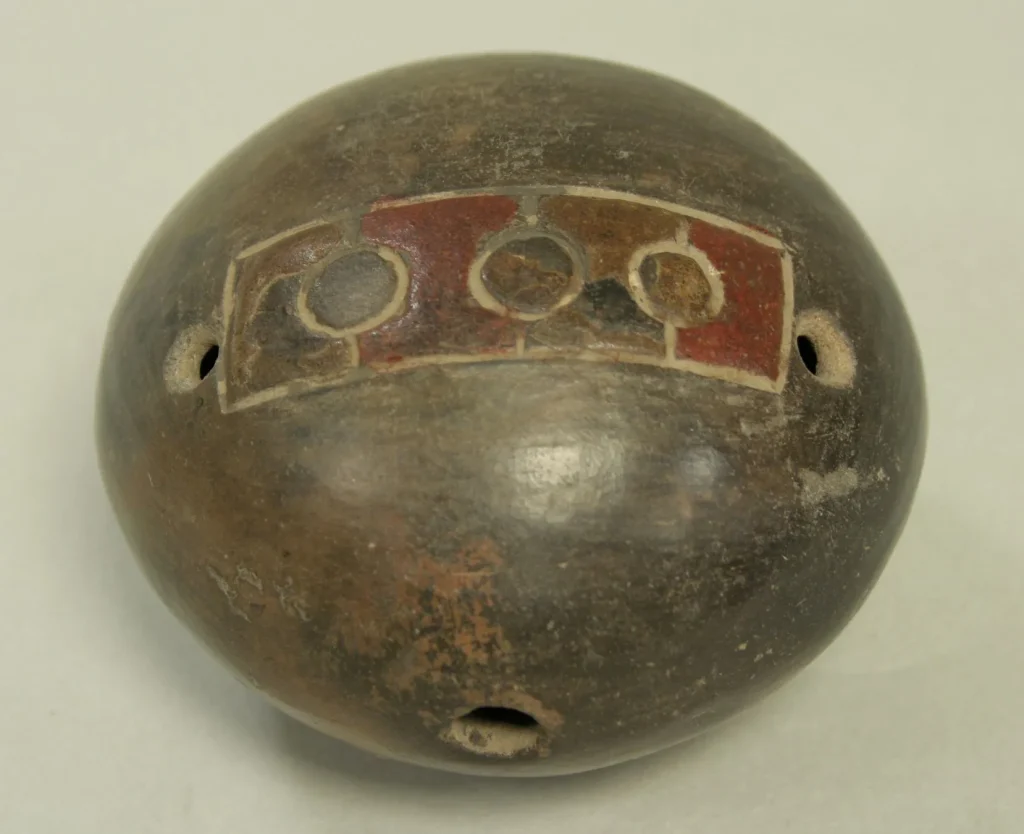
A practical short guide for musicians who want a real wind instrument, rather than a poorly tuned novelty.
Recent interest sparked by games such as Zelda has boosted interest in the ocarina and increased sales. Sales have risen by more than 300% since 2015, but the market includes both serious instruments and cheap copies.
Goal: to compare ceramic and wood clearly, so you can choose according to your skill level, intended use and budget.
Ceramic offers clear projection and accuracy that is useful in the studio. Wood offers a warm tone and better resistance to knocks.
We will cover established makers (STL, Musique de Terre, Stein/Focalink, Hind and Spencer), different numbers of finger holes (4, 6 and 12), and double and triple models, along with simple ways to assess quality from the first note.
This opening section sets the scene: a practical comparison, recommended models and advice on learning more and buying with confidence.
Buying context: understand your needs before trying an ocarina
The starting point is simple: define how you will use it before buying. Will you play for pleasure at home, record, perform on stage, play outdoors or collect instruments? Your answer will guide the choice of model and price range.
Beginners: look for a simple design, reliable tuning and a specialist seller (STL, Musique de Terre or Stein/Focalink). Avoid extremely cheap marketplace listings.
Experienced musicians: choose according to the tone, dynamic response and advanced features that suit your studio, stage or outdoor playing.
- Identify practical constraints: hand size, acceptable volume at home and sensitivity to high notes.
- Set a realistic budget: a good purchase provides a longer useful life and greater playing comfort.
- Consider how often you will play: weekly practice, studio work and outdoor use all affect the choice of material and durability.
Tip: start with a reliable standard model so you can progress without frustration, then move to a specialist ocarina if your experience calls for one.
Ocarina basics: a wind instrument, finger holes, range and models
To understand which model to choose, start with the basics of how an ocarina works and the range it covers.
How it works: this is an accessible wind instrument. Your breath and the covering of finger holes produce notes without a complicated mechanism.

Types and ranges
Models range from simple 4, 6 or 12-hole ocarinas to double and triple versions. Four and six-hole models offer a limited but useful range for beginners. Twelve-hole models cover around 21 notes, allowing you to play a broad repertoire.
Why choose a 12-hole ocarina in C? It is the best choice for a first ocarina: the alto range in C (often marked AC or “Tenor in C”) offers a balanced tone, consistent fingerings and reliable tuning. The C major scale makes it easier to learn and use sheet music.
- Soprano: high-pitched and sometimes shrill.
- Alto / Tenor in C: versatile and ideal for beginners.
- Bass: low, mellow, larger and more expensive.
Plastic is practical for travel and resists knocks, although it often projects slightly less than more traditional materials. Models with multiple chambers extend the range but require more advanced technique.
Materials compared: what ceramic and wood really change
The choice of material directly affects your instrument’s sound, weight and lifespan.
Sound quality, projection and tone
Ceramic encourages clear projection and stable tuning. Its clarity makes it popular for studio work.
Wood produces a warm, natural tone. Its attack is often softer and more expressive.
Weight and comfort
Wood is generally lighter (around 40% lighter in some models). It is more comfortable to hold during long sessions.
Ceramic can feel denser, but some players appreciate its stability at the mouthpiece.
Durability, care and price
Ceramic is vulnerable to knocks and temperature changes. A soft cloth is enough for routine care.
Wood copes better with drops, but needs oil or wax and humidity control (45–55% relative humidity).
“Ceramic for precision, wood for warmth: choose according to how you play.”
| Criterion | Ceramic | Wood |
|---|---|---|
| Sound quality | Clear projection, useful in the studio | Warm, more expressive tone |
| Comfort | Heavier and stable | Lighter and comfortable |
| Care & durability | Vulnerable to knocks, easy to clean | Less fragile, requires oil and humidity control |
| Indicative price | €35–€60 for entry-level models; expensive at the high end | Often over €200; models are less common |
In short: the difference lies in the sound and intended use. Wood is durable for street playing. Ceramic stands out for its precision in the studio.
Ceramic or wooden ocarina: which should you choose for your skill level?
Your playing experience often determines which material suits you best.

First purchases: stable tuning, budget and ease of learning
For beginners, aim for a 12-hole alto in C as your first ocarina. This format makes learning easier and lets you play familiar themes quickly.
Why? Seventy-eight percent of beginners choose ceramic for its stable tuning and ease of play. It offers good quality without a large outlay.
Experienced players: seeking tone, dynamic range and expression
After one or two years of experience, many players move to wood for a warmer tone and a more nuanced response.
“Wood for tonal colour, ceramic for precision.”
- Multiple-chamber models suit experienced players who want to extend their range.
- Comfort—including hand size and finger-hole placement—may help you choose between two otherwise similar instruments.
- Listen to audio or video demonstrations of ocarinas playing the same musical phrases before you buy.
Practical tip: match your purchase to where you play: at home, in the studio or outdoors. The right choice depends on your goals and progress.
Range, tuning and material: how they work together
Tuning and range determine what you can play and how easily you can play it. An instrument in C (Alto / Tenor in C) is the most versatile for learning and playing commonly available sheet music.

Soprano, alto, tenor and bass: which range suits which music?
The soprano suits high, fast and punchy passages. Its extreme notes demand precise breath control.
The alto (Tenor in C) remains the best compromise for beginners and for playing varied melodies. It combines range with comfort.
Tenor and bass ranges provide lower tones, ideal for slow, mellow pieces or for accompanying voices.
How material affects sustain, attack and held notes
Material affects sustain and attack. Ceramic instruments often stand out for longer sustained notes and pronounced clarity.
Wooden models offer a softer attack and a warmer sound. This changes how long notes feel to play.
- Scale and tuning: a model in C makes it easier to play in common keys.
- Finger holes and size affect comfort: bass models require a wider hand position but offer greater tonal richness.
- Try several ocarinas to hear how much the material really affects sustain and attack.
Recommended brands and models for a confident purchase
Makers play a key role in sound quality and playability. Choosing an established brand reduces the risk of poor tuning and makes after-sales support easier to obtain.

Ceramic: reliable choices
STL offers a wide range and complete kits for beginners and advancing players.
Musique de Terre (Olivier Gosselink) stands out for its craftsmanship and Pacchioni triple models.
Stein/Focalink offers consistent tuning; its instruments are often sold by Ocarina World.
Spencer focuses on high-end instruments with careful finishes.
Wood: makers and timber choices
Hind (Charlie Hind) is a leading name in wooden instruments, known for warm tones and good sustain.
Accessible alternatives: Dinda offers good value (entry-level models cost €35–€60). Noble Night plastic models remain a practical option for travel.
“Use audio or video demonstrations to check tuning, projection and breath response.”
Practical tip: start with an alto in C to try the range, compare several models in the same price bracket and buy from official websites or specialist dealers. For a full guide to leading brands, see the best ocarina guide.
Where to buy wisely: specialist shops or marketplaces
Knowing where to buy greatly reduces the risk of receiving a poorly tuned instrument. Look for clear listings and transparent sellers before completing your purchase.
Signs of quality
Consider websites run by established brands or makers (STL, Musique de Terre and Ocarina World). Ask for a demonstration video and the serial number, if available.
Things to check: verified reviews, the returns policy (14 days in the EU) and the two-year legal guarantee to protect your purchase.
Common pitfalls on Amazon, AliExpress and Wish
Marketplaces often list poorly tuned ocarinas and low-cost sets of mediocre quality. Be wary of vague descriptions and blurry photos.
- Tip: compare the price with typical market prices and check whether returns are free.
- Avoid deeply discounted offers; they can conceal poor tuning.
- Before buying, consult guides and videos to assess the sound, finger holes and sustain.
“A good seller provides clear demonstrations, knowledgeable after-sales service and a reliable returns policy.”
Budget and value: how much to invest and when to upgrade
Knowing how much to spend makes it easier to move from a starter instrument to a professional model. A realistic budget helps you avoid impulse purchases and unpleasant marketplace surprises.
Indicative prices: a serious ceramic ocarina starts at around €35–€60 (Dinda). Mid-range Stein/Focalink models often cost €40–€150, while wooden instruments by Hind generally exceed €200.
When should you upgrade? After several months or years of practice, consider upgrading if you notice limits in projection, tone or comfort.
- Assess the price difference: finish, tuning and material quality explain the variation.
- Choose models you can assess: look for demonstrations, customer reviews and clear specifications.
Tip: two similarly priced instruments can feel very different. Listen to them and, if possible, try them before buying.
Care and longevity: good habits for ceramic and wood
An instrument’s lifespan often depends more on how you use and care for it than on its purchase price.
For ceramic: wipe the instrument with a microfibre cloth after each session. Avoid hot water and sudden temperature changes.
For a deeper clean, use a mild solution recommended by the maker. Always store the instrument in a hard case.
Caring for wood
Humidity control: maintain a relative humidity of 45–55%. Apply a suitable oil or wax every six months.
Keep the instrument away from heat sources and direct sunlight. During long sessions, alternate between instruments to let the wood “breathe.”
- Inspect the instrument regularly for cracks, looseness around the finger holes, mouthpiece damage and signs of moisture.
- Use only recommended products; avoid harsh solvents.
- Store the instrument somewhere dry, protected from knocks and dust, to extend its life by several years.
Simple habits preserve consistent sound quality and better playing hygiene.
Practical examples: common player profiles and specific recommendations
Different ways of playing call for different instrument features. These simple examples can guide your purchase according to intended use.
Beginner and Zelda fan
Recommendation: an affordable, 12-hole ceramic alto in C (STL or Stein/Focalink).
Benefit: an intuitive feel and stable notes for learning familiar themes.
Street or outdoor musician
Recommendation: a wooden instrument by Hind for its durability and warm tone.
Another practical option is a quality plastic model (Noble Night) that can withstand the weather.
Studio recording
Recommendation: a high-end ceramic model (Spencer or Musique de Terre) for its projection and accurate tuning.
It offers a predictable response at the microphone and consistency during recording.
“Choose an alto for versatility; add a second instrument if your repertoire calls for extreme ranges.”
| Player | Material | Strength | Indicative price |
|---|---|---|---|
| Beginner | Ceramic | Stable tuning, ease of play | €35–€150 |
| Street / outdoors | Wood / plastic | Durability, warm tone | €60–€250 |
| Studio | High-end ceramic | Projection, accurate tuning | From €150 |
Practical tip: listen to official audio samples to compare sounds before deciding. Matching the scale and range to your repertoire remains the best way to choose well.
Conclusion
To conclude this guide, remember the essentials: match the material to your intended use, budget and desired range.
For a first ocarina, a 12-hole alto in C remains the best compromise. It makes learning easier and offers reliable tuning and a broad range of notes.
Musicians recording in a studio may prefer ceramic for its projection. Street players may appreciate the durability of wood or a robust plastic model.
Brands such as STL, Musique de Terre, Stein/Focalink, Spencer and Hind make a sound long-term purchase more likely.
To learn more, read a guide to leading models and listen to demonstrations before buying: read the guide.